
Continuing Education At Home
Psychologist
Cultural Competencies
Credits
8 CE credit hours training
Cost
$50.00
You have up to 3 chances to pass this test, after which the course will be unavailable for credit.
Target audience and instructional level of this course: Intermediate
There is no known conflict of interest or commercial support related to this CE program.
Course Description
This is an intermediate level course on Cultural in the health care field and is intended for health care workers who are interested in gaining further knowledge about the biological, social, and psychological aspects of culture.
There is no known conflict of interest or commercial support related to this CE program.
Course Description
This is an intermediate level course on Cultural in the health care field and is intended for health care workers who are interested in gaining further knowledge about the biological, social, and psychological aspects of culture.
Cultural Competence in the Health Care Field
Cultural Competence Model
Flores (2000) proposed a five component model for cultural competency to help providers work with patients from any cultural group. These five components include:
This cultural competence model contains similar elements that were listed in the recommendations provided by the health professionals/administrators that participated in the study. Thus, many of the cultural issues found in a provider's general practice may be similar to those issues present for children and adolescents in a school-based health center. Hopefully, through taking these points into consideration, school-based health centers can provide care that is welcoming to all of its students, thereby maximizing the benefits for these children and adolescents.
Triad Training: Culture is Key to Counseling
Mental Illness and Minorities
Minorities Have Trouble Getting Help
Although minorities are just a likely as non-minorities to experience severe mental disorders such as anxiety, depression, bipolar disorder and schizophrenia, they are far less likely to receive treatment. For instance, the percentage of African Americans receiving needed care is only half that of whites, and 24% of Hispanics with depression and anxiety receive appropriate care compared to 34% of whites with the same diagnosis. Reasons include a lack of access to services, cultural and language barriers, and limited research concerning mental health and minorities.
Many studies have found that lack of access to services is strongly associated with one's level of income and access to medical insurance. Racial and ethnic minorities have higher rates of poverty and a much greater likelihood of being uninsured. For instance, 8% of whites live below the poverty level compared to 22% of African Americans and 27% of Mexican and Native Americans. The percentage of uninsured minorities is over half that of whites.
Individuals experiencing symptoms of a mental disorder are most likely to seek help from their primary care physician, but close to 30% of Hispanics and 20% of African Americans do not have a usual source of healthcare. Even when minorities seek care from a primary care physician, they are less likely to receive appropriate treatment. Also, many minorities live in rural, isolated areas where access to mental health services is limited.
Language is a significant barrier to receiving appropriate mental healthcare. Diagnosis and treatment of mental disorders greatly depends on the ability of the patient to explain their symptoms to their physician and understand steps for treatment. The language barrier often deters individuals from seeking treatment. Thirty five percent of Asian Americans and Pacific Islanders (AA/PIs) live in households where the primary language is not English and 40% of Hispanics living in the U.S. do not speak English.
Culture, a system of shared meanings, is defined as a common heritage or set of beliefs, expectations for behavior, and values. Culture significantly influences the definition and treatment of mental illness, affecting the way individuals describe their symptoms and the symptoms they exhibit. For instance, African Americans experience symptoms uncommon among other groups such as isolated sleep paralysis, or the inability to move while falling asleep or waking up. Some Hispanics experience symptoms of anxiety that include uncontrollable screaming, crying, trembling, and seizure like fainting. Cultural beliefs about mental health strongly affect whether or not some people seek treatment, a person's coping styles and social supports, and the stigma they attach to mental illness.
Many people from different cultures see mental illness as shameful and delay treatment until symptoms reach crisis proportions. The culture of physicians and mental health professionals influences how they interpret symptoms and interact with patients.
Research to evaluate different minority groups' response to treatment is limited. Very few studies exist that investigate the appropriateness of certain types of treatment. For example, some research suggests that African Americans metabolize psychiatric medications more slowly than whites, but often receive higher dosages than do whites, leading to more severe side effects. More extensive research is needed to insure minorities receive appropriate treatment. Finally, while all groups experience mental disorders, minorities are over represented in populations at high risk for experiencing mental illness, including people who are exposed to violence, homeless, in prison or jail, foster care, or the child welfare system. At risk populations are far less likely to receive services than the general population.
Culture Counts: The Influence of Culture and Society on Mental Health, Mental Illness
Introduction
To better understand what happens inside the clinical setting, this section looks outside. It reveals the diverse effects of culture and society on mental health, mental illness, and mental health services. This understanding is key to developing mental health services that are more responsive to the cultural and social contexts of racial and ethnic minorities.
With a seemingly endless range of subgroups and individual variations, culture is important because it bears upon what all people bring to the clinical setting. It can account for minor variations in how people communicate their symptoms and which ones they report. Some aspects of culture may also underlie culture bound syndromes: sets of symptoms much more common in some societies than in others. More often, culture bears on whether people even seek help in the first place, what types of help they seek, what types of coping styles and social supports they have, and how much stigma they attach to mental illness. Culture also influences the meanings that people impart to their illness. Consumers of mental health services, whose cultures vary both between and within groups, naturally carry this diversity directly to the service setting.
The cultures of the clinician and the service system also factor into the clinical equation. Those cultures most visibly shape the interaction with the mental health consumer through diagnosis, treatment, and organization and financing of services. It is all too easy to lose sight of the importance of culture - until one leaves the country. Travelers from the United States, while visiting some distant frontier, may find themselves stranded in miscommunications and seemingly unorthodox treatments if they seek care for a sudden deterioration in their mental health.
Health and mental health care in the United States are embedded in Western science and medicine, which emphasize scientific inquiry and objective evidence. The self correcting features of modern science - new methods, peer review, and openness to scrutiny through publication in professional journals - ensure that as knowledge is developed, it builds on, refines, and often replaces older theories and discoveries. The achievements of Western medicine have become the cornerstone of health care worldwide.
What follows are numerous examples of the ways in which culture influences mental health, mental illness, and mental health services. This section is meant to be illustrative, not exhaustive. It looks at the culture of the patient, the culture of the clinician, and the specialty in which the clinician works. With respect to the context of mental health services, this section deals with the organization, delivery, and financing of services, as well as with broader social issues - racism, discrimination, and poverty - which affect mental health.
Culture refers to a groups shared set of beliefs, norms, and values. Because common social groupings (e.g., people who share a religion, youth who participate in the same sport, or adults trained in the same profession) have their own cultures, this section has separate sections on the culture of the patient as well as the culture of the clinician. Where cultural influences end and larger societal influences begin, there are contours not easily demarcated by social scientists. This section takes a broad view about the importance of both culture and society, yet recognizes that they overlap in ways that are difficult to disentangle through research.
What becomes clear is that culture and social contexts, while not the only determinants, shape the mental health of minorities and alter the types of mental health services they use. Cultural misunderstandings between patient and clinician, clinician bias, and the fragmentation of mental health services deter minorities from accessing and utilizing care and prevent them from receiving appropriate care.
Culture of the Patient
The culture of the patient, also known as the consumer of mental health services, influences many aspects of mental health, mental illness, and patterns of health care utilization. One important cautionary note, however, is that general statements about cultural characteristics of a given group may invite stereotyping of individuals based on their appearance or affiliation. Because there is usually more diversity within a population than there is between populations (e.g., in terms of level of acculturation, age, income, health status, and social class), information in the following sections should not be treated as stereotypes to be broadly applied to any individual member of a racial, ethnic, or cultural group.
Symptoms, Presentation, and Meaning
The symptoms of mental disorders are found worldwide. They cluster into discrete disorders that are real and disabling (U.S. Department of Health and Human Services [DHHS], 1999). Mental disorders are defined in the Diagnostic and Statistical Manual of Mental Disorders (American Psychiatric Association [APA], 1994). Schizophrenia, bipolar disorder, panic disorder, obsessive compulsive disorder, depression, and other disorders have similar and recognizable symptoms throughout the world (Weissman et al., 1994, 1996, 1997, 1998). Culture bound syndromes, which appear to be distinctive to certain ethnic groups, are the exception to this general statement. Research has not yet determined whether culture bound syndromes are distinct from established mental disorders, are variants of them, or whether both mental disorders and culture bound syndromes reflect different ways in which the cultural and social environment interacts with genes to shape illness.
One way in which culture affects mental illness is through how patients describe (or present) their symptoms to their clinicians. There are some well recognized differences in symptom presentation across cultures. Asian patients, for example, are more likely to report their somatic symptoms, such as dizziness, while not reporting their emotional symptoms. Yet, when questioned further, they do acknowledge having emotional symptoms (Lin & Cheung, 1999). This finding supports the view that patients in different cultures tend to selectively express or present symptoms in culturally acceptable ways (Kleinman, 1977, 1988).
Cultures also vary with respect to the meaning they impart to illness, their way of making sense of the subjective experience of illness and distress (Kleinman, 1988). The meaning of an illness refers to deep seated attitudes and beliefs a culture holds about whether an illness is "real" or "imagined," whether it is of the body or the mind (or both), whether it warrants sympathy, how much stigma surrounds it, what might cause it, and what type of person might succumb to it. Cultural meanings of illness have real consequences in terms of whether people are motivated to seek treatment, how they cope with their symptoms, how supportive their families and communities are, where they seek help (mental health specialist, primary care provider, clergy, and/or traditional healer), the pathways they take to get services, and how well they fare in treatment. The consequences can be grave extreme distress, disability, and possibly, suicide when people with severe mental illness do not receive appropriate treatment.
Causation and Prevalence
Cultural and social factors contribute to the causation of mental illness, yet that contribution varies by disorder. Mental illness is considered the product of a complex interaction among biological, psychological, social, and cultural factors. The role of any one of these major factors can be stronger or weaker depending on the disorder (DHHS, 1999).
The prevalence of schizophrenia, for example, is similar throughout the world (about 1 percent of the population), according to the International Pilot Study on Schizophrenia, which examined over 1,300 people in 10 countries (World Health Organization [WHO], 1973). International studies using similarly rigorous research methodology have extended the WHO's findings to two other disorders: The lifetime prevalence of bipolar disorder (0.3-1.5%) and panic disorder (0.4-2.9%) were shown to be relatively consistent across parts of Asia, Europe, and North America (Weissman et al., 1994, 1996, 1997, 1998). The global consistency in symptoms and prevalence of these disorders, combined with results of family and molecular genetic studies, indicates that they have high heritability (genetic contribution to the variation of a disease in a population) (National Institute of Mental Health [NIMH], 1998). In other words, it seems that culture and societal factors play a more sub-ordinate role in causation of these disorders.
Cultural and social context weigh more heavily in causation of depression. In the same international studies cited above, prevalence rates for major depression varied from 2 to 19 percent across countries (Weissman et al., 1996). Family and molecular biology studies also indicate less heritability for major depression than for bipolar disorder and schizophrenia (NIMH, 1998). Taken together, the evidence points to social and cultural factors, including exposure to poverty and violence, playing a greater role in the onset of major depression. In this context, it is important to note that poverty, violence, and other stressful social environments are not unique to any part of the globe, nor are the symptoms and manifestations they produce. However, factors often linked to race or ethnicity, such as socioeconomic status or country of origin can increase the likelihood of exposure to these types of stressors.
Cultural and social factors have the most direct role in the causation of post-traumatic stress disorder (PTSD). PTSD is a mental disorder caused by exposure to severe trauma, such as genocide, war combat, torture, or the extreme threat of death or serious injury (APA, 1994). These traumatic experiences are associated with the later development of a longstanding pattern of symptoms accompanied by biological changes (Yehuda, 2000). Traumatic experiences are particularly common for certain populations, such as U.S. combat veterans, inner-city residents, and immigrants from countries in turmoil. Asian Americans and Hispanic Americans reveal alarming rates of PTSD in communities with a high degree of pre-immigration exposure to trauma. For example, in some samples, up to 70 percent of refugees from Vietnam, Cambodia, and Laos met diagnostic criteria for PTSD. By contrast, studies of the U.S. population as a whole find PTSD to have a prevalence of about 4 percent (DHHS, 1999).
Suicide rates vary greatly across countries, as well as across U.S. ethnic sub-groups (Moscicki, 1995). Suicide rates among males in the United States are highest for American Indians and Alaska Natives (Kachur et al., 1995). Rates are lowest for African American women (Kachur et al., 1995). The reasons for the wide divergence in rates are not well understood, but they are likely influenced by variations in the social and cultural contexts for each subgroup (van Heeringen et al., 2000; Ji et al., 2001).
Even though there are similarities and differences in the distribution of certain mental disorders across populations, the United States has an aggregate rate of about 20 percent of adults and children with diagnosable mental disorders (DHHS, 1999; Table 1-1). This aggregate rate for the population as a whole does not have sufficient representation from most minority groups to permit comparisons between whites and other ethnic groups. The rates of mental disorder are not sufficiently studied in many smaller ethnic groups to permit firm conclusions about overall prevalence; however, several epidemiological studies of ethnic populations, supported by the NIMH, are currently in progress.
Family Factors
Many features of family life have a bearing on mental health and mental illness. Starting with etiology family factors can protect against, or contribute to, the risk of developing a mental illness. For example, supportive families and good sibling relationships can protect against the onset of mental illness. On the other hand, a family environment marked by severe marital discord, overcrowding, and social disadvantage can contribute to the onset of mental illness. Conditions such as child abuse, neglect, and sexual abuse also place children at risk for mental disorders and suicide (Brown et al., 1999; Dinwiddie et al., 2000).
Family risk and protective factors for mental illness vary across ethnic groups. But research has not yet reached the point of identifying whether the variation across ethnic groups is a result of that group's culture, its social class and relationship to the broader society, or individual features of family members.
One of the most developed lines of research on family factors and mental illness deals with relapse in schizophrenia. The first studies, conducted in Great Britain, found that people with schizophrenia who returned from hospitalizations to live with family members who expressed criticism, hostility, or emotional involvement (called high expressed emotion) were more likely to relapse than were those who returned to family members who expressed lower levels of negative emotion (Leff & Vaughn, 1985; Kavanaugh, 1992; Bebbington & Kuipers, 1994; Lopez & Guarnaccia, 2000). Later studies extended this line of research to Mexican American samples. These studies reconceptualized the role of family as a dynamic interaction between patients and their families, rather than as static family characteristics (Jenkins, Kleinman, & Good, 1991; Jenkins, 1993). Using this approach, a study comparing Mexican American and white families found that different types of interactions predicted relapse. For the Mexican American families, interactions featuring distance or lack of warmth predicted relapse for the individual with schizophrenia better than interactions featuring criticism. For whites, the converse was true (Lopez et al., 1998). This example, while not necessarily generalizable to other Hispanic groups, suggests avenues by which other culturally based family differences may be related to the course of mental illness.
Coping Styles
Culture relates to how people cope with everyday problems and more extreme types of adversity. Some Asian American groups, for example, tend not to dwell on upsetting thoughts, thinking that reticence or avoidance is better than outward expression. They place a higher emphasis on suppression of affect (Hsu, 1971; Kleinman, 1977), with some tending first to rely on themselves to cope with distress (Narikiyo & Kameoka, 1992). African Americans tend to take an active approach in facing personal problems, rather than avoiding them (Broman, 1996). They are more inclined than whites to depend on handling distress on their own (Sussman et al., 1987). They also appear to rely more on spirituality to help them cope with adversity and symptoms of mental illness (Broman, 1996; Cooper-Patrick et al., 1997; Neighbors et al., 1998).
Few doubt the importance of culture in fostering different ways of coping, but research is sparse. One of the few, yet well developed lines of research on coping styles comes from comparisons of children living in Thailand versus America. Thailand's largely Buddhist religion and culture encourage self control, emotional restraint, and social inhibition. In a recent study, Thai children were two times more likely than American children to report reliance on covert coping methods such as "not talking back," than on overt coping methods such as "screaming" and "running away" (McCarty et al., 1999). Other studies by these investigators established that different coping styles are associated with different types and degrees of problem behaviors in children (Weisz et al., 1997).
The studies noted here suggest that better understanding of coping styles among racial and ethnic minorities has implications for the promotion of mental health, the prevention of mental illness, and the nature and severity of mental health problems.
Treatment Seeking
It is well documented that racial and ethnic minorities in the United States are less likely than whites to seek mental health treatment, which largely accounts for their under representation in most mental health services (Sussman et al., 1987; Kessler et al., 1996; Vega et al. 1998; Zhang et al., 1998). Treatment seeking denotes the pathways taken to reach treatment and the types of treatments sought (Rogler & Cortes, 1993). The pathways are the sequence of contacts and their duration once someone (or their family) recognizes their distress as a health problem.
Research indicates that some minority groups are more likely than whites to delay seeking treatment until symptoms are more severe. Further, racial and ethnic minorities are less inclined than whites to seek treatment from mental health specialists (Gallo et al., 1995; Chun et al., 1996; Zhang et al., 1998). Instead, studies indicate that minorities turn more often to primary care (Cooper-Patrick et al., 1999a; see later section on Primary Care). They also turn to informal sources of care such as clergy, traditional healers, and family and friends (Neighbors & Jackson, 1984; Peifer et al., 2000). In particular, American Indians and Alaska Natives often rely on traditional healers, who frequently work side by side with formal providers in tribal mental health programs. African Americans often rely on ministers, who may play various mental health roles as counselor, diagnostician, or referral agent (Levin, 1986). The extent to which minority groups rely on informal sources in lieu of, or in addition to, formal mental health services in primary or specialty care is not well studied.
When they use mental health services, Some African Americans prefer therapists of the same race or ethnicity. This preference has encouraged the development of ethnic-specific programs that match patients to therapists of the same culture or ethnicity (Sue, 1998). Many African Americans also prefer counseling to drug therapy (Dwight-Johnson et al., 2000). Their concerns revolve around side effects, effectiveness, and addiction potential of medications (Cooper-Patrick et al., 1997).
The fundamental question raised by this line of research is: Why are many racial and ethnic minorities less inclined than whites to seek mental health treatment? Certainly, the constellation of barriers deterring whites also operates to various degrees for minorities - cost, fragmentation of services, and the societal stigma on mental illness (DHHS, 1999). But there are extra barriers deterring racial and ethnic minorities such as mistrust and limited English proficiency.
Mistrust
Mistrust was identified as a major barrier to the receipt of mental health treatment by racial and ethnic minorities (DHHS, 1999). Mistrust is widely accepted as pervasive among minorities, yet there is surprisingly little empirical research to document it (Cooper-Patrick et al., 1999). One of the few studies on this topic looked at African Americans and whites surveyed in the early 1980s in a national study known as the Epidemiologic Catchment Area (ECA) study. This study found that African Americans with major depression were more likely to cite their fears of hospitalization and of treatment as reasons for not seeking mental health treatment. For instance, almost half of African Americans, as opposed to 20 percent of whites, reported being afraid of mental health treatment (Sussman et al., 1987).
What are the reasons behind the lack of trust? Mistrust of clinicians by minorities arises, in the broadest sense, from historical persecution and from present day struggles with racism and discrimination. It also arises from documented abuses and perceived mistreatment, both in the past and more recently, by medical and mental health professionals (Neal-Barnett & Smith, 1997). A recent survey conducted for the Kaiser Family Foundation (Brown et al., 1999) found that 12 percent of African Americans and 15 percent of Latinos, in comparison with 1 percent of whites, felt that a doctor or health provider judged them unfairly or treated them with disrespect because of their race or ethnic background. Even stronger ethnic differences were reported in the Commonwealth Fund Minority Health Survey: It found that 43 percent of African Americans and 28 percent of Latinos, in comparison with 5 percent of whites, felt that a health care provider treated them badly because of their race or ethnic background (LaVeist et al., 2000). Mistrust of mental health professionals is exploited by present day antipsychiatry groups that target the African American community with incendiary material about purported abuses and mistreatment (Bell, 1996).
Mistrustful attitudes also may be commonplace among other groups. While insufficiently studied, mistrust toward health care providers can be inferred from a group's attitudes toward government operated institutions. Immigrants and refugees from many regions of the world, including Central and South America and Southeast Asia, feel extreme mistrust of government, based on atrocities committed in their country of origin and on fear of deportation by U.S. authorities. Similarly, many American Indians and Alaska Natives are mistrustful of health care institutions; this dates back through centuries of legalized discrimination and segregation.
Stigma
Stigma was portrayed by the SGR as the "most formidable obstacle to future progress in the arena of mental illness and health" (DHHS, 1999). It refers to a cluster of negative attitudes and beliefs that motivate the general public to fear, reject, avoid, and discriminate against people with mental illness (Corrigan & Penn, 1999).
Stigma is widespread in the United States and other Western nations (Bhugra, 1989; Brockington et al., 1993) and in Asian nations (Ng, 1997). In response to societal stigma, people with mental problems internalize public attitudes and become so embarrassed or ashamed that they often conceal symptoms and fail to seek treatment (Sussman et al., 1987; Wahl, 1999). Stigma also lowers their access to resources and opportunities, such as housing and employment, and leads to diminished self esteem and greater isolation and hopelessness (Penn & Martin, 1998; Corrigan & Penn, 1999). Stigma can also be against family members; this damages the consumer's self esteem and family relationships (Wahl & Harman, 1989). In some Asian cultures, stigma is so extreme that mental illness is thought to reflect poorly on family lineage and thereby diminishes marriage and economic prospects for other family members as well (Sue & Morishima, 1982; Ng, 1997).
Stigma is such a major problem that the very topic itself poses a challenge to research. Researchers have to contend with people's reluctance to disclose attitudes often deemed socially unacceptable. How stigma varies by culture can be studied from two perspectives. One perspective is that of the targets of stigma, i.e., the people with symptoms: If they are members of a racial or ethnic minority, are they more likely than whites to experience stigma? The other perspective is that of the public in their attitudes toward people with mental illness: Are members of each racial or ethnic minority group more likely than whites to hold stigmatizing attitudes toward mental illness? The answers to these cross cultural questions are far from definitive, but there are some interesting clues from research.
Turning first to those who experience symptoms, one of the few cross cultural studies questioned Asian Americans living in Los Angeles. The findings were eye opening: Only 12 percent of Asians would mention their mental health problems to a friend or relative (versus 25 percent of whites). A meager 4 percent of Asians would seek help from a psychiatrist or specialist (versus 26 percent of whites). And only 3 percent of Asians would seek help from a physician (versus 13 percent of whites). The study concluded that stigma was pervasive and pronounced for Asian Americans in Los Angeles (Zhang et al., 1998).
Turning to the question of public attitudes toward mental illness, the largest and most detailed study of stigma in the United States was performed in 1996 as part of the General Social Survey, a respected, nationally representative survey being conducted by the National Opinion Research Center since the 1970s. In this study, a representative sample was asked in personal interviews to respond to different vignettes depicting people with mental illness. The respondents generally viewed people with mental illness as dangerous and less competent to handle their own affairs, with their harshest judgments reserved for people with schizophrenia and substance use disorders. Interestingly, neither the ethnicity of the respondent, nor the ethnicity of the person portrayed in the vignette, seemed to influence the degree of stigma (Pescosolido et al., 1999).
By contrast, another large, nationally representative study found a different relationship between race, ethnicity, and attitudes towards patients with mental illness. Asian and Hispanic Americans saw them as more dangerous than did whites. Although having contact with individuals with mental illness helped to reduce stigma for whites, it did not for African Americans. American Indians, on the other hand, held attitudes similar to whites (Whaley, 1997).
Taken together, these results suggest that minorities hold similar, and in some cases stronger, stigmatizing attitudes toward mental illness than do whites. Societal stigma keeps minorities from seeking needed mental health care, much as it does for whites. Stigma is so potent that it not only affects the self esteem of people with mental illness, but also that of family members. The bottom line is that stigma does deter major segments of the population, majority and minority alike, from seeking help. It bears repeating that a majority of all people with diagnosable mental disorders do not get treatment (DHHS, 1999).
Immigration
Migration, a stressful life event, can influence mental health. Often called acculturative stress, it occurs during the process of adapting to a new culture (Berry et al., 1987). Refugees who leave their homelands because of extreme threat from political forces tend to experience more trauma, more undesirable change, and less control over the events that define their exits than do voluntary immigrants (Rumbaut, 1985; Meinhardt et al., 1986).
The psychological stress associated with immigration tends to be concentrated in the first three years after arrival in the United States (Vega & Rumbaut, 1991). According to studies of Southeast Asian refugees, an initial euphoria often characterizes the first year following migration, followed by a strong disenchantment and demoralization reaction during the second year. The third year includes a gradual return to well being and satisfaction (Rumbaut, 1985, 1989). This U-shaped curve has been observed in Cubans and Eastern Europeans (Portes & Rumbaut, 1990). Similarly, Ying (1988) finds that Chinese immigrants who have been in the United States less than one year have fewer symptoms of distress than those residing here for several years. Korean American immigrants have been found to have the highest levels of depressive symptoms in the one to two years following immigration; after three years, these symptoms remit (Hurh & Kim, 1988).
Although immigration can bring stress and subsequent psychological distress, research results do not suggest that immigration per se results in higher rates of mental disorders (e.g., Vega et al., 1998). However, as described in the sections on Asian Americans and Latinos, the traumas experienced by adults and children from war torn countries before and after immigrating to the United States seem to result in high rates of post traumatic stress disorder (PTSD) among these populations.
Overall Health Status
The burden of illness in the United States is higher in racial and ethnic minorities than whites. The National Institutes of Health (NIH) recently reported that compared with the majority populations, U.S. minority populations have shorter overall life expectancies and higher rates of cardiovascular disease, cancer, infant mortality, birth defects, asthma, diabetes, stroke, adverse con-sequences of substance abuse, and sexually transmitted diseases (DHHS, 2000; NIH, 2000). The list of illnesses is overpoweringly long.
Disparities in health status have led to high-profile research and policy initiatives. One long-standing policy initiative is Healthy People, a comprehensive set of national health objectives issued every decade by the Department of Health and Human Services. The most recent is Healthy People 2010, which contains both well defined objectives for reducing health disparities and the means for monitoring progress (DHHS, 2000).
Higher rates of physical (somatic) disorders among racial and ethnic minorities hold significant implications for mental health. For example, minority individuals who do not have mental disorders are at higher risk for developing problems such as depression and anxiety because chronic physical illness is a risk factor for mental disorders (DHHS, 1999; see also earlier section). Moreover, individuals from racial and ethnic minority groups who already have both a mental and a physical disorder (known as comorbidity) are more likely to have their mental disorder missed or misdiagnosed, owing to competing demands on primary care providers who are preoccupied with the treatment of the somatic disorder (Borowsky, et al., 2000; Rost et al., 2000). Even if their mental disorder is recognized and treated, people with comorbid disorders are saddled by more drug interactions and side effects, given their higher usage of medications. Finally, people with comorbid disorders are much more likely to be unemployed and disabled, compared with people who have a single disability (Druss et al., 2000).
Thus, poor somatic health takes a toll on mental health. And it is probable that some of the mental health disparities described in this Supplement are linked to the poorer somatic health status of racial and ethnic minorities. The interrelationships between mind and body are inescapably evident.
Culture of the Clinician
As noted earlier, a group of professionals can be said to have a "culture" in the sense that they have a shared set of beliefs, norms, and values. This culture is reflected in the jargon members of a group use, in the orientation and emphasis in their textbooks, and in their mindset, or way of looking at the world. Health professionals in the United States, and the institutions in which they train and practice, are rooted in Western medicine. The culture of Western medicine, launched in ancient Greece, emphasizes the primacy of the human body in disease. Further, Western medicine emphasizes the acquisition of knowledge through scientific and empirical methods, which hold objectivity paramount. Through these methods, Western medicine strives to uncover universal truths about disease, its causation, diagnosis, and treatment.
Around 1900, Western medicine started to conceptualize disease as affected by social, as well as by biological phenomena. Its scope began to incorporate wider questions of income, lifestyle, diet, employment, and family structure, thereby ushering in the broader field of public health (Porter, 1997) Mental health professionals trace their roots to Western medicine and, more particularly, to two major European milestones - the first forms of biological psychiatry in the mid-19th century and the advent of psychotherapy (or "talk therapy") near the end of that century (Shorter, 1997). The earliest forms of biological psychiatry primed the path for more than a century of advances in pharmacological therapy, or drug treatment, for mental illness. The original psychotherapy, known as psychoanalysis, was founded in Vienna by Sigmund Freud. While many forms of psychotherapy are available today, with vastly different orientations, all emphasize verbal communication between patient and therapist as the basis of treatment. Today's treatments for specific mental disorders also may combine pharmacological therapy and psychotherapy; this approach is known as multimodal therapy. These two types of treatment and the intellectual and scientific traditions that galvanized their development are an outgrowth of Western medicine.
To say that physicians or mental health professionals have their own culture does not detract from the universal truths discovered by their fields. Rather, it means that most clinicians share a worldview about the interrelationship among body, mind, and environment, informed by knowledge acquired through the scientific method. It also means that clinicians view symptoms, diagnoses, and treatments in a manner that sometimes diverges from their patients. Clinicians conceptions of disease and their responses to it unquestionably show the imprint of a particular culture, especially its individualist and activist therapeutic mentality," writes sociologist of medicine Paul Starr (1982).
Because of the professional culture of the clinician, some degree of distance between clinician and patient always exists, regardless of the ethnicity of each (Burkett, 1991). Clinicians also bring to the therapeutic setting their own personal cultures (Hunt, 1995; Porter, 1997). Thus, when clinician and patient do not come from the same ethnic or cultural background, there is greater potential for cultural differences to emerge. Clinicians may be more likely to ignore symptoms that the patient deems important, or less likely to understand the patient's fears, concerns, and needs. The clinician and the patient also may harbor different assumptions about what a clinician is supposed to do, how a patient should act, what causes the illness, and what treatments are available. For these reasons, DSM-IV exhorts clinicians to understand how their relationship with the patient is affected by cultural differences.
Communication
The emphasis on verbal communication is a distinguishing feature of the mental health field. The diagnosis and treatment of mental disorders depend to a large extent on verbal communication between patient and clinician about symptoms, their nature, intensity, and impact on functioning. While many mental health professionals strive to deliver treatment that is sensitive to the culture of the patient, problems can occur.
The emphasis on verbal communication yields greater potential for miscommunication when clinician and patient come from different cultural backgrounds, even if they speak the same language. Overt and subtle forms of miscommunication and misunderstanding can lead to misdiagnosis, conflicts over treatment, and poor adherence to a treatment plan. But when patient and clinician do not speak the same language, these problems intensify. The importance of cross cultural communication in establishing trusting relationships between clinician and patient is just beginning to be explored through research in family practice (Cooper-Patrick et al., 1999) and mental health.
Primary Care
Primary care is a critical portal to mental health treatment for ethnic and racial minorities. Minorities are more likely to seek help in primary care as opposed to specialty care, and cross cultural problems may surface in either setting (Cooper-Patrick et al., 1999). Primary care providers, particularly under the constraints of managed care, may not have the time or capacity to recognize and diagnose mental disorders or to treat them adequately, especially if patients have co-existing physical disorders (Rost et al., 2000). Some estimates suggest that about one-third to one-half of patients with mental disorders go undiagnosed in primary care settings (Higgins, 1994; Williams et al., 1999). Minority patients are among those at greatest risk of non-detection of mental disorders in primary care (Borowsky et al., 2000). Missed or incorrect diagnoses carry severe consequences if patients are given inappropriate or possibly harmful treatments, while their underlying mental disorder is left untreated.
Clinician Bias and Stereotyping
Misdiagnosis also can arise from clinician bias and stereotyping of ethnic and racial minorities. Clinicians often reflect the attitudes and discriminatory practices of their society (Whaley, 1998). This institutional racism was evident over a century ago with the establishment of a separate, completely segregated mental hospital in Virginia for African American patients (Prudhomme & Musto, 1973). While racism and discrimination have certainly diminished over time, there are traces today which are manifest in less overt medical practices concerning diagnosis, treatment, prescribing medications, and referrals (Giles et al., 1995; Shiefer, Escarce, & Schulman, 2000). One study from the mental health field found that African American youth were four times more likely than whites to be physically restrained after acting in similarly aggressive ways, suggesting that racial stereotypes of blacks as violent motivated the professional judgment to have them restrained (Bond et al., 1988). Another study found that white therapists rated a videotape of an African American client with depression more negatively than they did a white patient with identical symptoms (Jenkins-Hall & Sacco, 1991).
There is ample documentation that African American patients are subject to over diagnosis of schizophrenia. African Americans are also under diagnosed for bipolar disorder (Bell et al., 1980, 1981; Mukherjee, et al., 1983), depression, and, possibly, anxiety (Neal-Barnett & Smith, 1997; Baker & Bell, 1999; Borowsky et al., 2000). The problems extend beyond African Americans. Widely held stereotypes of Asian Americans as "problem free" may prompt clinicians to overlook their mental health problems (Takeuchi & Uehara, 1996).
To infer a role for bias and stereotyping by clinicians does not prove that it is actually occurring, nor does it indicate the extent to which it explains disparities in mental health services. Some of the racial and ethnic disparities described in this Supplement are likely the result of racism and discrimination by white clinicians; however, the limited research on this topic suggests that the issue is more complex. A large study of cardiac patients could not attribute African Americans' lower utilization of a cardiac procedure to the race of the physician. Lower utilization by African American versus white patients was independent of whether patients were treated by white or black physicians (Chen et al., 2001). The study authors suggested the possibility that institutional factors and attitudes that were common to black and white physicians contributed to lower rates of utilization by black patients. Some have suggested that what appears to be racial bias by clinicians might instead reflect biases of their socioeconomic status or their professional culture (Epstein & Ayanian, 2001). These biases, whether intentional or unintentional, may be more powerful influences on care than the influence of the clinician's own race or ethnicity.
Culture, Society, and Mental Health Services
Every society influences mental health treatment by how it organizes, delivers, and pays for mental health services. In the United States, services are financed and delivered in vastly different ways than in other nations. That organization was shaped by and reflects a unique set of historical, economic, political, and social forces, which were summarized in the SGR (DHHS, 1999). The mental health service system is a fragmented patchwork, often referred to as the "de facto mental health system" because of its lack of a single set of organizing principles (Regier et al., 1993). While this hybrid system serves a range of functions for many people, it has not successfully addressed the problem that people with the most complex needs and the fewest financial resources often find it difficult to use. This problem is magnified for minority groups. To understand the obstacles that minorities face, this section provides background on mental health service settings, financing, and the concept of culturally competent services.
Service Settings and Sectors
Mental health services are provided by numerous types of practitioners in a diverse array of environments, variously called settings and sectors. Settings range from home and community to institutions, and sectors include public or private primary care and specialty care. This section provides a broad overview of mental health services, patterns of use, and trends in financing.
The burgeoning types of community services available today stand in sharp contrast to the institutional orientation of the past. Propelled by reform movements, advocacy, and the advent of managed care, today's best mental health services extend beyond diagnosis and treatment to cover prevention and the fulfillment of broader needs, including housing and employment. Services are formal (provided by professionals) or informal (provided by lay volunteers). The most fundamental shift has been in the setting for service delivery, from the institution to the community. There are four major sectors for receiving mental health care:
Consumers can exercise choice in treatment largely because of the range of effective treatments for mental illness and the diversity of settings and sectors in which these treatments are offered. Consumers can choose, too, between distinct treatment modalities, such as psychotherapy, counseling, pharmacotherapy (medications), or rehabilitation. For severe mental illnesses, however, all types are usually essential, as are delivery systems to integrate their services (DHHS, 1999).
Consumer preferences cannot necessarily be inferred from the types of treatment they actually use because costs, reimbursement, or availability of services - rather than preferences - may drive their utilization. For example, minority patients who wish to see mental health professionals of similar racial or ethnic back-grounds may often find it difficult or impossible, because most mental health practitioners are white. Because there are only 1.5 American Indian/Alaska Native psychiatrists per 100,000 American Indians/Alaska Natives in this country, and only 2.0 Hispanic psychiatrists per 100,000 Hispanics, the chance of an ethnic match between Native or Hispanic American patient and provider is highly unlikely (Manderscheid & Henderson, 1999).
Financing of Mental Health Services and Managed Care
Mental health services are financed from many funding streams that originate in the public and private sectors. In 1996, slightly more than half of the $69 billion in mental health spending was by public payers, including Medicaid and Medicare. The remainder came mostly from either private insurance (27%) or out of pocket payments (17%) by patients and their families (DHHS, 1999).
One of the most significant changes affecting both privately and publicly funded services has been the striking shift to managed care. Relatively uncommon two decades ago, managed care in some form now covers the majority of Americans, regardless of whether their care is paid for through the public or the private sector (Levit & Lundy, 1998). The term "managed care" technically refers to a variety of mechanisms for organizing, delivering, and paying for health services. It is attractive to purchasers because it holds the promise of containing costs, increasing access to care, improving coordination of care, promoting evidence based quality care, and emphasizing prevention. Attainment of these goals for all racial and ethnic groups is difficult to verify through research because of the breathtaking pace of change in the health care marketplace. Study in this area is also challenging because claims data are closely held by private companies and thus are often unavailable to researchers, and because insurers and providers often do not collect information about ethnicity or race (Fraser, 1997).
Almost 72 percent of Americans with health insurance in 1999 were enrolled in managed behavioral health organizations for mental or addictive disorders (OPEN MINDS, 1999). Managed care has far reaching implications for mental health services in terms of access, utilization, and quality, yet there has been only a limited body of research on its effectiveness in these areas (DHHS, 1999).
Through lower costs, managed care was expected to boost access to care, which is especially critical for racial and ethnic minorities. However, there is preliminary evidence that managed care is perceived by some racial and ethnic minorities as imposing more barriers to treatment than does fee for service care (Scholle & Kelleher, 1997; Provan & Carle, 2000). Yet, improved access alone will not eliminate disparities. Other compelling factors curtail utilization of services by racial and ethnic minorities, and they need to be addressed to reduce the gap between minorities and whites.
In terms of quality of care, the SGR noted ongoing efforts within behavioral health care to develop quality reporting systems. It also pointed out that existing incentives within and outside managed care do not encourage an emphasis on quality of care (DHHS, 1999). While the SGR concluded that there is little direct evidence of problems with quality in well implemented managed care programs, it cautioned that "the risk for more impaired populations and children remains a serious concern."
Finally, managed care has been coupled with legislative proposals to impose parity in financing of mental health services. Intended to reverse decades of inequity, parity seeks coverage for mental health services on a par with that for somatic (physical) illness. Managed care's potential to control costs through various management strategies that prevent overuse of services makes parity more economically feasible (DHHS, 1999). Studies described in the SGR found negligible cost increases under existing parity programs within several States. Further, several studies have shown that racial and ethnic disparities in access to health care and in treatment out comes are reduced or eliminated under equal access systems such as the Department of Defense health care system (Optenberg et al., 1995; Taylor et al., 1997), the VA medical system for some disease conditions, and in some health maintenance organizations (Tambor et al., 1994; Martin, Shelby, & Zhang, 1995; Clancy & Franks, 1997).
Evidence Based Treatment and Minorities
The SGR documented a comprehensive range of effective treatments for many mental disorders (DHHS, 1999). These evidence based treatments rely on consistent scientific evidence, from controlled clinical trials, that they significantly improve patients' outcomes (Drake et al., 2001). Despite strong and consistent evidence of efficacy, the SGR spotlighted the problem that evidence based treatments are not being translated into community settings and are not being provided to everyone who comes in for care.
Many reasons have been cited as underlying the gap between research and practice. The most significant are practitioners' lack of knowledge of research results, the lag time between reporting of results and their translation into the practice setting, and the cost of introducing innovative services into health systems, most of which are operating within a highly competitive marketplace. There are also fundamental differences in the health characteristics of patients studied in academic settings where the research is conducted versus practice settings where patients are much more heterogeneous and often disabled by more than one disorder (DHHS, 1999). The Gap between research and practice is even worse for racial and ethnic minorities. Problems span both research and practice settings. A special analysis performed for this Supplement reveals that controlled clinical trials used to generate professional treatment guidelines did not conduct specific analyses for any minority group. Controlled clinical trials offer the highest level of scientific rigor for establishing that a given treatment works.
Several professional associations and government agencies have formulated treatment guidelines or evidence based reports on treatment outcomes for certain disorders on the basis of consistent scientific evidence, across multiple controlled clinical trials. Since 1986, nearly 10,000 participants have been included in randomized clinical trials evaluating the efficacy of treatments for bipolar disorder, major depression, schizophrenia, and attention deficit/hyperactivity disorder. However, for nearly half of these participants (4,991), no information on race or ethnicity is available. For another 7 percent of participants (N = 656), studies only reported the designation "non-white," without indicating a specific minority group. For the remaining 47 percent of participants (N = 4,335), Table 2-1 shows the breakdown by ethnicity. In all clinical trials reporting data on ethnicity, very few minorities were included and not a single study analyzed the efficacy of the treatment by ethnicity or race. A similar conclusion was reached by the American Psychological Association in a careful analysis of all empirically validated psychotherapies: "We know of no psychotherapy treatment research that meets basic criteria important for demonstrating treatment efficacy for ethnic minority populations..." (Chambless et al., 1996).
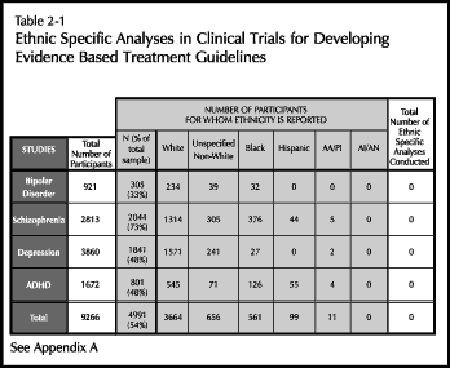
Table 2-1 presents data on the number of racial and ethnic minorities included, and ethnic specific analyses performed, in clinical trials for developing evidence based treatment guidelines.
The failure to conduct ethnic specific analyses in clinical research is a problem that must be addressed the health characteristics of patients. This problem is not unique to the mental health field; it affects all areas of health research. In 1993, Congress passed legislation creating the National Institute of Health's Office of Research on Minority Health to increase the representation of minorities in all aspects of biomedical and behavioral research (National Institutes of Health, 2001). In November 2000, the Minority Health Disparities Research and Education Act elevated the Office of Research on Minority Health to the National Center on Minority Health and Health Disparities. This gave NIH increased programmatic and budget authority for research on minority health issues and health disparities. The law also promotes more training and education of health professionals, the evaluation of data collection systems, and a national public awareness campaign.
Even though the treatment guidelines are extrapolated from largely white populations, they are, as a matter of public health prudence, the best available treatments for everyone, regardless of race or ethnicity. Yet evidence suggests that in clinical practice settings, minorities are less likely than whites to receive treatment that adheres to treatment guidelines (Lehman & Steinwachs, 1998; Sclar et al., 1999; Blazer et al., 2000; Young et al., 2001). Existing treatment guidelines should be used for all people with mental disorders, regardless of ethnicity or race. But to be most effective, treatments need to be tailored and delivered appropriately for individuals according to age, gender, race, ethnicity, and culture (DHHS, 1999).
Culturally Competent Services
The last four decades have witnessed tremendous changes in mental health service delivery. The civil rights movement, the expansion of mental health services into the community, and the demographic shift toward greater population diversity led to a growing awareness of inadequacies of the mental health system in meeting the needs of ethnic and racial minorities (Rogler et al., 1987; Takeuchi & Uehara, 1996). Research documented huge variations in utilization between minorities and whites, and it began to uncover the influence of culture on mental health and mental illness (Snowden & Cheung, 1990; Sue et al., 1991). Major differences were found in some manifestations of mental disorders, idioms for communicating distress, and patterns of help seeking. The natural outgrowth of research and public awareness was self examination by the mental health field and the advent of consumer and family advocacy. A major recognition was given to the importance of culture in the assessment of mental illness with the publication of the "Outline for Culture Formulation" in DSM-IV (APA, 1994).
Another innovation was to take stock of the mental health treatment setting. This setting is arguably unique in terms of its strong reliance on language, communication, and trust between patients and providers. Key elements of therapeutic success depend on rapport and on the clinicians' understanding of patients' cultural identity, social supports, self-esteem, and reticence about treatment due to societal stigma. Advocates, practitioners, and policymakers, driven by widespread awareness of treatment inadequacies for minorities, began to press for a new treatment approach: the delivery of services responsive to the cultural concerns of racial and ethnic minority groups, including their languages, histories, traditions, beliefs, and values. This approach to service delivery, often referred to as cultural competence, has been promoted largely on the basis of humanistic values and intuitive sensibility rather than empirical evidence. Nevertheless, substantive data from consumer and family self reports, ethnic match, and ethnic specific services outcome studies suggest that tailoring services to the specific needs of these groups will improve utilization and outcomes.
Cultural competence underscores the recognition of patients' cultures and then develops a set of skills, knowledge, and policies to deliver effective treatments (Sue & Sue, 1999). Underlying cultural competence is the conviction that services tailored to culture would be more inviting, would encourage minorities to get treatment, and would improve their outcome once in treatment. Cultural competence represents a fundamental shift in ethnic and race relations (Sue et al., 1998). The term competence places the responsibility on mental health services organizations and practitioners - most of whom are white (Peterson et al., 1996) - and challenges them to deliver culturally appropriate services. Yet the participation of consumers, families, and communities helping service systems design and carry out culturally appropriate services is also essential.
Many models of cultural competence have been proposed. One of the most frequently cited models was developed in the context of care for children and adolescents with serious emotional disturbance (Cross et al., 1989). At the Federal level, efforts have begun to operationalize cultural competence for applied behavioral healthcare settings (CMHS, 2000). Though these and many other models have been proposed, few if any have been subject to empirical test. No empirical data are yet available as to what the key ingredients of cultural competence are and what influence, if any, they have on clinical outcomes for racial and ethnic minorities (e.g., Sue & Zane, 1987; Ramirez, 1991; Pedersen & Ivey, 1993; Ridley et al., 1994; Lopez, 1997; Szapocznik et al. 1997; Falicov, 1998; Koss-Chioino & Vargas, 1999; Sue & Sue, 1999). A common theme across models of cultural competence, however, is that they make treatment effectiveness for a culturally diverse clientele the responsibility of the system, not of the people seeking treatment.
Medications and Minorities
The overall genetic similarities across ethnic groups may be some genetic polymorphisms that show mean differences between groups, these variations cannot be used to distinguish one population from another. Observed group differences are out weighed by shared genetic variation and may be correlates of lifestyle rather than genetic factors (Paabo, 2001). For example, researchers are finding some racial and ethnic differences in response to a heart medication (Exner et al., 2001) that appear to reflect both genetic and environmental factors. It is nevertheless reasonable to assume that medications for mental disorders, in the absence of data to the contrary, are as effective for racial and ethnic minority groups as they are for whites.
As part of the standard practice of delivering medicine, clinicians always need to individualize therapies according to the age, gender, culture, ethnicity, and other life circumstances of the patient.
There is a growing body of research on subtle genetic differences in how medications are metabolized across certain ethnic populations. Similarly, this body of research also focuses on how lifestyles that are more common to a given ethnic group affect drug metabolism. Lifestyle factors include diet, rates of smoking, alcohol consumption, and use of alternative or complementary treatments. These factors can interact with drugs to alter their safety or effectiveness.
The relatively new field known as ethnopsychopharmacology investigates ethnic variations that affect medication dosing and other aspects of pharmacology. Most research in this field has focused on gene polymorphisms (DNA variations) affecting drug metabolizing enzymes. After drugs are taken by mouth, they enter the blood and are circulated to the liver, where they are metabolized by enzymes (proteins encoded by genes). Certain genetic variations affecting the functions of these enzymes are more common to particular racial or ethnic groups. The variations can affect the pace of drug metabolism: A faster rate of metabolism leaves less amounts of drugs in the circulation, whereas a slower rate allows more drug to be re-circulated to other parts of the body. For example, African Americans and Asians are, on average, more likely than whites to be slow metabolizers of several medications for psychosis and depression (Lin et al., 1997). Clinicians who are unaware of these differences may inadvertently prescribe doses that are too high for minority patients by giving them the dose normally prescribed for whites. This would lead to more medication side effects, patient non-adherence, and possibly greater risk of long term, severe side effects such as tardive dyskinesia (Lin et al., 1997; Lin & Cheung, 1999).
A key point is that this area of research looks for frequency differences across populations, rather than between individuals. For example, one research study reported on population frequencies for a polymorphism linked to the breakdown of neurotransmitters. It found the particular polymorphism in 15 to 31 percent of East Asians, compared with 7 to 40 percent of Africans, and 33 to 62 percent of Europeans and Southwest Asians (Palmatier et al., 1999). It is important to note that these differences become apparent across populations, but do not apply to an individual seeking treatment (unless the clinician has specific knowledge about that person's genetic makeup, or genotype, or their medication blood levels). The concern about applying research regarding ethnically based differences in population frequencies of gene polymorphisms is that it will lead to stereotyping and racial profiling of individuals based on their physical appearance (Schwartz, 2001). For any individual, genetic variation in response to medications cannot be inferred from racial or ethnic group membership alone.
Racism, Discrimination, and Mental Health Since its inception, America has struggled with its handling of matters related to race, ethnicity, and immigration. The histories of each racial and ethnic minority group attest to long periods of legalized discrimination- and more subtle forms of discrimination - within U.S. borders (Takaki, 1993). Ancestors of many of today's African Americans were forcibly brought to the United States as slaves. The Indian Removal Act of 1830 forced American Indians off their land and onto reservations in remote areas of the country that lacked natural resources and economic opportunities. The Chinese Exclusion Act of 1882 barred immigration from China to the U.S. and denied citizenship to Chinese Americans until it was repealed in 1952. Over 100,000 Japanese Americans were unconstitutionally incarcerated during World War II, yet none was ever shown to be disloyal. Many Mexican Americans, Puerto Ricans, and Pacific Islanders became U.S. citizens through conquest, not choice. Although racial and ethnic minorities cannot lay claim to being the sole recipients of maltreatment in the United States, legally sanctioned discrimination and exclusion of racial and ethnic minorities have been the rule, rather than the exception, for much of the history of this country.
Racism and discrimination are umbrella terms referring to beliefs, attitudes, and practices that denigrate individuals or groups because of phenotypic characteristics (e.g., skin color and facial features) or ethnic group affiliation. Despite improvements over the last three decades, research continues to document racial discrimination in housing rentals and sales (Yinger, 1995) and in hiring practices (Kirschenman & Neckerman, 1991). Racism and discrimination also have been documented in the administration of medical care. They are manifest, for example, in fewer diagnostic and treatment procedures for African Americans versus whites (Giles et al., 1995; Shiefer et al., 2000). More generally, racism and discrimination take forms from demeaning daily insults to more severe events, such as hate crimes and other violence (Krieger et al., 1999). Racism and discrimination can be perpetrated by institutions or individuals, acting intentionally or unintentionally.
Public attitudes underlying discriminatory practices have been studied in several national surveys conducted over many decades. One of the most respected and nationally representative surveys is the General Social Survey, which in 1990 found that a significant percentage of whites held disparaging stereotypes of African Americans, Hispanics, and Asians. The most extreme findings were that 40 to 56 percent of whites endorsed the view that African Americans and Hispanics "prefer to live off welfare" and "are prone to violence" (Davis & Smith, 1990).
Minority groups commonly report experiences with racism and discrimination, and they consider these experiences to be stressful (Clark et al., 1999). In a national probability sample of minority groups and whites, African Americans and Hispanic Americans reported experiencing higher overall levels of global stress than did whites (Williams, 2000). The differences were greatest for two specific types: financial stress and stress from racial bias. Asian Americans also reported higher overall levels of stress and higher levels of stress from racial bias, but sampling methods did not permit statistical comparisons with other groups. American Indians and Alaska Natives were not studied (Williams, 2000). Recent studies link the experience of racism to poorer mental and physical health. For example, racial inequalities may be the primary cause of differences in reported quality of life between African Americans and whites (Hughes & Thomas, 1998). Experiences of racism have been linked with hypertension among African Americans (Krieger & Sidney, 1996; Krieger et al., 1999). A study of African Americans found perceived discrimination to be associated with psychological distress, lower wellbeing, self reported ill health, and number of days confined to bed (Williams et al., 1997; Ren et al., 1999).
A recent, nationally representative telephone survey looked more closely at two overall types of racism, their prevalence, and how they may differentially affect mental health (Kessler et al., 1999). One type of racism was termed "major discrimination" in reference to dramatic events like being "hassled by police" or "fired from a job." This form of discrimination was reported with a lifetime prevalence of 50 percent of African Americans, in contrast to 31 percent of whites. Major discrimination was associated with psychological distress and major depression in both groups. The other form of discrimination, termed "day to day perceived discrimination," was reported to be experienced "often" by almost 25 percent of African Americans and only 3 percent of whites. This form of discrimination was related to the development of distress and diagnoses of generalized anxiety and depression in African Americans and whites. The magnitude of the association between these two forms of discrimination and poorer mental health was similar to other commonly studied stressful life events, such as death of a loved one, divorce, or job loss.
While this line of research is largely focused on African Americans, there are a few studies of racism's impact on other racial and ethnic minorities. Perceived discrimination was linked to symptoms of depression in a large sample of 5,000 children of Asian, Latin American, and Caribbean immigrants (Rumbaut, 1994). Two recent studies found that perceived discrimination was highly related to depressive symptoms among adults of Mexican origin (Finch et al., 2000) and among Asians (Noh et al., 1999).
In summary, the findings indicate that racism and discrimination are clearly stressful events (see also Clark et al., 1999). Racism and discrimination adversely affect health and mental health, and they place minorities at risk for mental disorders such as depression and anxiety. Whether racism and discrimination can by themselves cause these disorders is less clear, yet deserves research attention.
These and related findings have prompted researchers to ask how racism may jeopardize the mental health of minorities. Three general ways are proposed:
Poverty, Marginal Neighborhoods, and Community Violence
Poverty disproportionately affects racial and ethnic minorities. The overall rate of poverty in the United States, 12 percent in 1999, masks great variation. While 8 percent of whites are poor, rates are much higher among racial and ethnic minorities: 11 percent of Asian Americans and Pacific Islanders, 23 percent of Hispanic Americans, 24 percent of African Americans, and 26 percent of American Indians and Alaska Natives (U. S. Census Bureau, 1999). Measured another way, the per capita income for racial and ethnic minority groups is much lower than that for whites (Table 2-2).
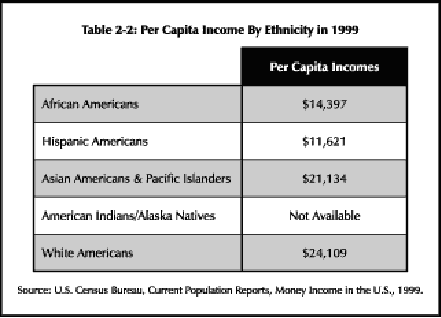
Table 2-2 gives Per Capita Income averages by ethnicity in 1999.
For centuries, it has been known that people living in poverty, whatever their race or ethnicity, have the poorest overall health (see reviews by Krieger, 1993; Adler et al., 1994; Yen & Syme, 1999). It comes as no surprise then that poverty is also linked to poorer mental health (Adler et al., 1994). Studies have consistently shown that people in the lowest strata of income, education, and occupation (known as socioeconomic status, or SES) are about two to three times more likely than those in the highest strata to have a mental disorder (Holzer et al., 1986; Regier et al., 1993; Muntaner et al., 1998). They also are more likely to have higher levels of psychological distress (Eaton & Muntaner, 1999).
Poverty in the United States has become concentrated in urban areas (Herbers, 1986). Poor neighborhoods have few resources and suffer from considerable distress and disadvantage in terms of high unemployment rates, homelessness, substance abuse, and crime. A disadvantaged community marked by economic and social flux, high turnover of residents, and low levels of supervision of teenagers and young adults creates an environment conducive to violence. Young racial and ethnic minority men from such environments are often perceived as being especially prone to violent behavior, and indeed they are disproportionately arrested for violent crimes. However, the recent Surgeon General's Report on Youth Violence cites self reports of youth from both majority and minority populations that indicate that differences in violent acts committed may not be as large as arrest records suggest. The Report on Youth Violence concludes that race and ethnicity, considered in isolation from other life circumstances, shed little light on a given child's or adolescent's propensity for engaging in violence (DHHS, 2001).
Regardless of who is perpetrating violence, it disproportionately affects the lives of racial and ethnic minorities. The rate of victimization for crimes of violence is higher for African Americans than for any other ethnic or racial group (Maguire & Pastore, 1999). More than 40 percent of inner city young people have seen someone shot or stabbed (Schwab-Stone et al., 1995). Exposure to community violence, as victim or witness, leaves immediate and sometimes long term effects on mental health, especially for youth (Bell & Jenkins, 1993; Gorman-Smith & Tolan, 1998; Miller et al., 1999).
How is poverty so clearly related to poorer mental health? This question can be answered in two ways. People who are poor are more likely to be exposed to stressful social environments (e.g., violence and unemployment) and to be cushioned less by social or material resources (Dohrenwend, 1973; McLeod & Kessler, 1990). In this way, poverty among whites and nonwhites is a risk factor for poor mental health. Also, having a mental disorder, such as schizophrenia, takes such a toll on individual functioning and productivity that it can lead to poverty. In this way, poverty is a consequence of mental illness (Dohrenwend et al., 1992). Both are plausible explanations for the robust relationship between poverty and mental illness (DHHS, 1999).
Scholars have debated whether low SES alone can explain cultural differences in health or health care utilization (e.g. Lillie-Blanton et al., 1996; Williams, 1996; Stolley, 1999, 2000; LaVeist, 2000; Krieger, 2000). Most scholars agree that poverty and socioeconomic status do play a strong role, but the question is whether they play an exclusive role. The answer to this question is "no." Evidence contained within this Supplement is clearly contrary to the simple assertion that lower SES by itself explains ethnic and racial disparities. Mexican American immigrants to the United States, although quite impoverished, enjoy excellent mental health (Vega et al., 1998). In this study, immigrants' culture was interpreted as protecting them against the impact of poverty. In other studies of African Americans and Hispanics more generous mental health coverage for minorities did not eliminate disparities in their utilization of mental health services. Minorities of the same SES as whites still used fewer mental health services, despite good access.
The debate separates poverty from other factors that might influence the outcome - such as experiences with racism, help seeking behavior, or attitudes as if they were isolated or independent from one another. In fact, poverty is caused in part by a historical legacy of racism and discrimination against minorities. And minority groups have developed coping skills to help them endure generations of poverty. In other words, poverty and other factors are overlapping and interdependent for different ethnic groups and different individuals. As but one example, the experience of poverty for immigrants who previously had been wealthy in their homeland cannot be equated with the experience of poverty for immigrants coming from economically disadvantaged backgrounds.
An important caveat in reviewing this evidence is that while most researchers measure and control for SES they does not carefully define and measure aspects of culture. Many studies report the ethnic or racial backgrounds of study participants as a shorthand for their culture, without systematically examining more specific information about their living circumstances, social class, attitudes, beliefs, and behavior. In the future, defining and measuring different aspects of culture will strengthen our understanding ethnic differences that occur, beyond those explained by poverty and socioeconomic status.
Demographic Trends
The United States is undergoing a major demographic transformation in racial and ethnic composition of its population. In 1990, 23 percent of U.S. adults and 31 percent of children were from racial and ethnic minority groups (Hollmann, 1993). In 25 years, it is projected that about 40 percent of adults and 48 percent of children will be from racial and ethnic minority groups (U.S. Census Bureau, 2000; Lewit & Baker, 1994). While these changes bring with them the enormous richness of diverse cultures, significant changes are needed in the mental health system to meet the associated challenges.
Diversity within Racial and Ethnic Groups
The four most recognized racial and ethnic minority groups are themselves quite diverse. For instance, Asian Americans and Pacific Islanders include at least 43 separate subgroups who speak over 100 languages. Hispanics are of Mexican, Puerto Rican, Cuban, Central and South American, or other Hispanic heritage (U.S. Census Bureau, 2000). American Indian/Alaskan Natives consist of more than 500 tribes with different cultural traditions, languages, and ancestry. Even among African Americans, diversity has recently increased as black immigrants arrive from the Caribbean, South America, and Africa. Some members of these subgroups have largely acculturated or assimilated into mainstream U.S. culture, whereas others speak English with difficulty and interact almost exclusively with members of their own ethnic group.
Growth Rates
African Americans had long been the country's largest ethnic minority group. However, over the past decade, they have grown by just 13 percent to 34.7 million people. In contrast, higher birth and immigration rates led Hispanics to grow by 56 percent, to 35.3 million people, while the whites grew just 1 percent from 209 million to 212 million. According to 2000 census figures, Hispanics have replaced African Americans as the second largest ethnic group after whites (U.S. Census Bureau, 2001).
Hispanics grew faster than any other ethnic minority group in terms of the actual number of individuals and the rate of population growth. The group with the second highest rate of population growth was Asian Americans, who in the 2000 census were counted separately from Native Hawaiians and Other Pacific Islanders. Because of immigration, the Asian American population grew 40.7 percent to 10.6 million people, and this growth is projected to continue throughout the century (U.S. Census Bureau, 2001).
American Indians and Alaska Natives surged between 38 and 50 percent over each of the decades from the 1960s through the 1980s. However, during the 1990s, the rate of growth was slightly slower (19%). Even so, the rate is still greater than that for the general population. One factor accounting for this higher than average growth rate is an increase in the number of people who now identify themselves as American Indian or Alaska Native. The current size of the American Indian and Alaska Native population is just under 1 percent of the total U.S. population, or about 2.5 million people. This number nearly doubles, however, when including individuals who identify as being American Indian and Alaska Native as well as one or more other races (U.S. Census Bureau, 2001).
The numbers of ethnic minority children and youth are increasing most rapidly. Between 1995 and 2015, the numbers of black youth are expected to increase by 19 percent, American Indian and Alaska Native youth by 17 percent, Hispanic youth by 59 percent, and Asian and Pacific Islander youth by 74 percent. During the same period, the white youth population is expected to increase by 3 percent (Snyder & Sickmund, 1999).
Geographic Distribution
Until the 1960s, American Indians, Asian Americans, and Hispanic Americans were geographically isolated. Before then, American Indians lived primarily on reservations to which the government assigned them. Few Asian Americans lived outside California, Hawaii, Washington, and New York City. Latinos resided primarily in the southwestern border States, New York City, and a few midwestern industrial cities (Harrison & Bennett, 1995).
Today, although they are not evenly distributed, members of each of the four major racial and ethnic minority groups reside throughout the United States. The western States are the most ethnically diverse in the United States, and they are home to many Latinos, Asian Americans, and American Indians. In the Midwest, which is less ethnically diverse, over 85 percent of the population is white, and most of the remainder is black. This proportion has remained relatively unchanged since the 1970s.
Although the Nation as a whole is becoming more ethnically diverse, this diversity remains relatively concentrated in a few States and large metropolitan areas. In general, minorities are more likely than whites to live in urban areas. In 1997, 88 percent of minorities lived in cities and their surrounding areas, compared to 77 percent of whites. American Indians/Alaska Natives and African Americans are the only minority groups with any considerable rural population. (U.S. Census Bureau, 1999).
Impact of Immigration Laws
During the last century, U.S. immigration laws alternately closed and opened the doors of immigration to different foreign populations. For example, the 1924 Immigration Act established the National Origins System, which restricted annual immigration from any foreign country to 2 percent of that country's population living in the United States, as counted in the census of 1890. Since most of the foreign born counted in the 1890 census were from northern and western European countries, the 1924 Immigration Act reinforced patterns of white immigration and staved off immigration from other areas, including Asia, Latin America, and Africa.
Until the 1960s, approximately two-thirds of all legal immigrants to the United States were from Europe and Canada. The Immigration Act of 1965 replaced the National Origins System and allowed an annual immigration quota of 20,000 individuals from each country in the Eastern Hemisphere. The Act also gave preference to individuals in certain occupations. The effect was striking: Immigration from Asia skyrocketed from 6 percent of all immigrants in the 1950s to 37 percent by the 1980s. Yet another provision of the Act supported family reunification and gave preference to people with relatives in the United States, one factor behind the growth in immigration from Mexico and other Latin American countries (U.S. Census Bureau, 1999). Over this same period of time, the percentage of immigrants from Europe and Canada fell from 68 percent to 12 percent (U.S. Immigration and Naturalization Service, 1999).
In the past 20 years, immigration has led to a shift in the racial and ethnic composition of the United States not witnessed since the late 17th century, when black slaves became part of the labor force in the South (Muller, 1993). Though this wave of immigration is similar to the surge of immigration that occurred in the early part of this century, a critical difference is in the countries of origin. In the early 1900s, immigrants primarily came from Europe and Canada, while recent immigration is primarily from Asian and Latin American countries.
Overall, the racial and ethnic makeup of the United States has changed more rapidly since 1965 than during any other period in history. The reform in immigration policy in 1965, the increase in self identification by ethnic minorities, and the slowing of the country's birth rates, especially among non-Hispanic white Americans, have all led to an increasing, and increasingly diverse, racial and ethnic minority population in the United States.
Conclusions
Mental health: A report from the Surgeon General
Overview of Cultural Diversity and Mental Health Services
The U.S. mental health system is not well equipped to meet the needs of racial and ethnic minority populations. Racial and ethnic minority groups are generally considered to be underserved by the mental health services system (Neighbors et al., 1992; Takeuchi & Uehara, 1996; Center for Mental Health Services [CMHS], 1998). A constellation of barriers deters ethnic and racial minority group members from seeking treatment, and if individual members of groups succeed in accessing services, their treatment may be inappropriate to meet their needs.
Awareness of the problem dates back to the 1960s and 1970s, with the rise of the civil rights and community mental health movements (Rogler et al., 1987) and with successive waves of immigration from Central America, the Caribbean, and Asia (Takeuchi & Uehara, 1996). These historical forces spurred greater recognition of the problems that minority groups confront in relation to mental health services.
Research documents that many members of minority groups fear, or feel ill at ease with, the mental health system (Lin et al., 1982; Sussman et al., 1987; Scheffler & Miller, 1991). These groups experience it as the product of white, European culture, shaped by research primarily on white, European populations. They may find only clinicians who represent a white middle class orientation, with its cultural values and beliefs, as well as its biases, misconceptions, and stereotypes of other cultures.
Research and clinical practice have propelled advocates and mental health professionals to press for "linguistically and culturally competent services" to improve utilization and effectiveness of treatment for different cultures. Culturally competent services incorporate respect for and understanding of, ethnic and racial groups, as well as their histories, traditions, beliefs, and value systems (CMHS, 1998). Without culturally competent services, the failure to serve racial and ethnic minority groups adequately is expected to worsen, given the huge demographic growth in these populations predicted over the next decades (Takeuchi & Uehara, 1996; CMHS, 1998; Snowden, 1999). This section amplifies these major conclusions. It explains the confluence of clinical, cultural, organizational, and financial reasons for minority groups being underserved by the mental health system. The first task, however, is to explain which ethnic and racial groups constitute underserved populations, to describe their changing demographics, and to define the term "culture" and its consequences for the mental health system.
Introduction to Cultural Diversity and Demographics
The Federal government officially designates four major racial or ethnic minority groups in the United States: African American (black), Asian/Pacific Islander, Hispanic American (Latino), and Native American/American Indian/Alaska Native/Native Hawaiian (referred to subsequently as "American Indians") (CMHS, 1998). There are many other racial or ethnic minorities and considerable diversity within each of the four groupings listed above. The representation of the four officially designated groups in the U.S. population in 1999 is as follows: African Americans constitute the largest group, at 12.8 percent of the U.S. population; followed by Hispanics (11.4 percent), Asian/Pacific Islanders (4.0 percent), and American Indians (0.9 percent) (U.S. Census Bureau, 1999). Hispanic Americans are among the fastest growing groups. Because their population growth outpaces that of African Americans, they are projected to be the predominant minority group (24.5 percent of the U.S. population) by the year 2050 (CMHS, 1998).
Racial and ethnic populations differ from one another and from the larger society with respect to culture. The term "culture" is used loosely to denote a common heritage and set of beliefs, norms, and values. The cultures with which members of minority racial and ethnic groups identify often are markedly different from industrial societies of the West. The phrase "cultural identity" specifies a reference group-an identifiable social entity with whom a person identifies and to whom he or she looks for standards of behavior (Cooper & Denner, 1998). Of course, within any given group, an individual's cultural identity may also involve language, country of origin, acculturation, gender, age, class, religious/spiritual beliefs, sexual orientation, and physical disabilities (Lu et al., 1995). Many people have multiple ethnic or cultural identities.
The historical experiences of ethnic and minority groups in the United States are reflected in differences in economic, social, and political status. The most measurable difference relates to income. Many racial and ethnic minority groups have limited financial resources. In 1994, families from these groups were at least three times as likely as white families to have incomes placing them below the federally established poverty line. The disparity is even greater when considering extreme poverty-family incomes at a level less than half of the poverty threshold-and is also large when considering children and older persons (O'Hare, 1996). Although some Asian Americans are somewhat better off financially than other minority groups, they still are more than one and a half times more likely than whites to live in poverty. Poverty disproportionately affects minority women and their children (Miranda & Green, 1999). The effects of poverty are compounded by differences in total value of accumulated assets, or total wealth (O'Hare et al., 1991).
Lower socioeconomic status-in terms of income, education, and occupation-has been strongly linked to mental illness. It has been known for decades that people in the lowest socioeconomic strata are about two and a half times more likely than those in the highest strata to have a mental disorder (Holzer et al., 1986; Regier et al., 1993b). The reasons for the association between lower socioeconomic status and mental illness are not well understood. It may be that a combination of greater stress in the lives of the poor and greater vulnerability to a variety of stressors leads to some mental disorders, such as depression. Poor women, for example, experience more frequent, threatening, and uncontrollable life events than do members of the population at large (Belle, 1990). It also may be that the impairments associated with mental disorders lead to lower socioeconomic status (McLeod & Kessler, 1990; Dohrenwend, 1992; Regier et al., 1993b).
Cultural identity imparts distinct patterns of beliefs and practices that have implications for the willingness to seek, and the ability to respond to, mental health services. These include coping styles and ties to family and community, discussed below.
Coping Styles
Cultural differences can be reflected in differences in preferred styles of coping with day to day problems. Consistent with a cultural emphasis on restraint, certain Asian American groups, for example, encourage a tendency not to dwell on morbid or upsetting thoughts, believing that avoidance of troubling internal events is warranted more than recognition and outward expression (Leong & Lau, 1998). They have little willingness to behave in a fashion that might disrupt social harmony (Uba, 1994). Their emphasis on willpower is similar to the tendency documented among African Americans to minimize the significance of stress and, relatedly, to try to prevail in the face of adversity through increased striving (Broman, 1996).
Culturally rooted traditions of religious beliefs and practices carry important consequences for willingness to seek mental health services. In many traditional societies, mental health problems can be viewed as spiritual concerns and as occasions to renew one's commitment to a religious or spiritual system of belief and to engage in prescribed religious or spiritual forms of practice. African Americans (Broman, 1996) and a number of ethnic groups (Lu et al., 1995), when faced with personal difficulties, have been shown to seek guidance from religious figures.
Many people of all racial and ethnic backgrounds believe that religion and spirituality favorably impact upon their lives and that well being, good health, and religious commitment or faith are integrally intertwined (Taylor, 1986; Priest, 1991; Bacote, 1994; Pargament, 1997). Religion and spirituality are deemed important because they can provide comfort, joy, pleasure, and meaning to life as well as be means to deal with death, suffering, pain, injustice, tragedy, and stressful experiences in the life of an individual or family (Pargament, 1997). In the family/community centered perception of mental illness held by Asians and Hispanics, religious organizations are viewed as an enhancement or substitute when the family is unable to cope or assist with the problem (Acosta et al., 1982; Comas-Diaz, 1989; Cook & Timberlake, 1989; Meadows, 1997).
Culture also imprints mental health by influencing whether and how individuals experience the discomfort associated with mental illness. When conveyed by tradition and sanctioned by cultural norms, characteristic modes of expressing suffering are sometimes called "idioms of distress" (Lu et al., 1995). Idioms of distress often reflect values and themes found in the societies in which they originate.
One of the most common idioms of distress is somatization, the expression of mental distress in terms of physical suffering. Somatization occurs widely and is believed to be especially prevalent among persons from a number of ethnic minority backgrounds (Lu et al., 1995). Epidemiological studies have confirmed that there are relatively high rates of somatization among African Americans (Zhang & Snowden, in press). Indeed, somatization resembles an African American folk disorder identified in ethnographic research and is linked to seeking treatment (Snowden, 1998).
A number of idioms of distress are well recognized as culture bound syndromes and have been included in an appendix to DSM-IV. Among culture bound syndromes found among some Latino psychiatric patients is ataque de nervios, a syndrome of "uncontrollable shouting, crying, trembling, and aggression typically triggered by a stressful event involving family. . . " (Lu et al., 1995, p. 489). A Japanese culture bound syndrome has appeared in that country's clinical modification of ICD-10 (WHO International Classification of Diseases, 10th edition, 1993). Taijin kyofusho is an intense fear that one's body or bodily functions give offense to others. Culture bound syndromes sometimes reflect comprehensive systems of belief, typically emphasizing a need for a balance between opposing forces (e.g., yin/yang, "hot cold" theory) or the power of supernatural forces (Cheung & Snowden, 1990).
Belief in indigenous disorders and adherence to culturally rooted coping practices are more common among older adults and among persons who are less acculturated. It is not well known how applicable DSM-IV diagnostic criteria are to culturally specific symptom expression and culture bound syndromes.
Family and Community as Resources
Ties to family and community, especially strong in African, Latino, Asian, and Native American communities, are forged by cultural tradition and by the current and historical need to assist arriving immigrants, to provide a sanctuary against discrimination practiced by the larger society, and to provide a sense of belonging and affirming a centrally held cultural or ethnic identity. Among Mexican Americans (del Pinal & Singer, 1997) and Asian Americans (Lee, 1998) relatively high rates of marriage and low rates of divorce, along with a greater tendency to live in extended family households, indicate an orientation toward family. Family solidarity has been invoked to explain relatively low rates among minority groups of placing older people in nursing homes (Short et al., 1994).
The relative economic success of Chinese, Japanese, and Korean Americans has been attributed to family and communal bonds of association (Fukuyama, 1995). Community organizations and networks established in the United States include rotating credit associations based on lineage, surname, or region of origin. These organizations and networks facilitate the startup of small businesses. There is evidence of an African American tradition of voluntary organizations and clubs often having political, economic, and social functions and affiliation with religious organizations (Milburn & Bowman, 1991). African Americans and other racial and ethnic minority groups have drawn upon an extended family tradition in which material and emotional resources are brought to bear from a number of linked households. According to this literature, there is "(a) a high degree of geographical propinquity; (b) a strong sense of family and familial obligation; (c) fluidity of household boundaries, with greater willingness to absorb relatives, both real and fictive, adult and minor, if need arises; (d) frequent interaction with relatives; (e) frequent extended family get togethers for special occasions and holidays; and (f) a system of mutual aid" (Hatchett & Jackson, 1993, p. 92). Families play an important role in providing support to individuals with mental health problems. A strong sense of family loyalty means that, despite feelings of stigma and shame, families are an early and important source of assistance in efforts to cope, and that minority families may expect to continue to be involved in the treatment of a mentally ill member (Uba, 1994). Among Mexican American families, researchers have found lower levels of expressed emotion and lower levels of relapse (Karno et al., 1987). Other investigators have demonstrated an association between family warmth and a reduced likelihood of relapse (Lopez et al., in press).
Epidemiology and Utilization of Services
One of the best ways to identify whether a minority group has problems accessing mental health services is to examine their utilization of services in relation to their need for services. As noted previously, a limitation of contemporary mental health knowledge is the lack of standard measures of "need for treatment" and culturally appropriate assessment tools. Minority group members' needs, as measured indirectly by their prevalence of mental illness in relation to the U.S. population, should be proportional to their utilization, as measured by their representation in the treatment population. These comparisons turn out to be exceedingly complicated by inadequate understanding of the prevalence of mental disorders among minority groups in the United States. Nationwide studies conducted many years ago overlooked institutional populations, which are disproportionately represented by minority groups. Treatment utilization information on minority groups in relation to whites is more plentiful, yet, a clear understanding of health seeking behavior in various cultures is lacking.
The following paragraphs reveal that disparities abound in treatment utilization: some minority groups are underrepresented in the outpatient treatment population while, at the same time, overrepresented in the inpatient population. Possible explanations for the differences in utilization are discussed in a later section.
African Americans
The prevalence of mental disorders is estimated to be higher among African Americans than among whites (Regier et al., 1993a). This difference does not appear to be due to intrinsic differences between the races; rather, it appears to be due to socioeconomic differences. When socioeconomic factors are taken into account, the prevalence difference disappears. That is, the socioeconomic status adjusted rates of mental disorder among African Americans turn out to be the same as those of whites. In other words, it is the lower socioeconomic status of African Americans that places them at higher risk for mental disorders (Regier et al., 1993a). African Americans are underrepresented in some outpatient treatment populations, but overrepresented in public inpatient psychiatric care in relation to whites (Snowden & Cheung, 1990; Snowden, in press b). Their under representation in outpatient treatment varies according to setting, type of provider, and source of payment. The racial gap between African Americans and whites in utilization is smallest, if not nonexistent, in community based programs and in treatment financed by public sources, especially Medicaid (Snowden, 1998) and among older people (Padgett et al., 1995). The under representation is largest in privately financed care, especially individual outpatient practice, paid for either by fee for service arrangements or managed care. As a result, under representation in the outpatient setting occurs more among working and middle class African Americans, who are privately insured, than among the poor. This suggests that socioeconomic standing alone cannot explain the problem of underutilization (Snowden, 1998). African Americans are, as noted above, overrepresented in inpatient psychiatric care (Snowden, in press b). Their rate of utilization of psychiatric inpatient care is about double that of whites (Snowden & Cheung, 1990). This difference is even higher than would be expected on the basis of prevalence estimates. Overrepresentation is found in hospitals of all types except private psychiatric hospitals. While difficult to explain definitively, the problem of overrepresentation in psychiatric hospitals appears more rooted in poverty, attitudes about seeking help, and a lack of community support than in clinician bias in diagnosis and overt racism, which also have been implicated (Snowden, in press b). This line of reasoning posits that poverty, disinclination to seek help, and lack of health and mental health services deemed appropriate, and responsive, as well as community support, are major contributors to delays by African Americans in seeking treatment until symptoms become so severe that they warrant inpatient care.
Finally, African Americans are more likely than whites to use the emergency room for mental health problems (Snowden, in press a). Their over reliance on emergency care for mental health problems is an extension of their over reliance on emergency care for other health problems. The practice of using the emergency room for routine care is generally attributed to a lack of health care providers in the community willing to offer routine treatment to people without insurance (Snowden, in press a).
Asian Americans/Pacific Islanders
The prevalence of mental illness among Asian Americans is difficult to determine for methodological reasons (i.e., population sampling). Although some studies suggest higher rates of mental illness, there is wide variance across different groups of Asian Americans (Takeuchi & Uehara, 1996). It is not well known how applicable DSM-IV diagnostic criteria are to culturally specific symptom expression and culture-bound syndromes. With respect to treatment-seeking behavior, Asian Americans are distinguished by extremely low levels at which specialty treatment is sought for mental health problems (Leong & Lau, 1998). Asian Americans have proven less likely than whites, African Americans, and Hispanic Americans to seek care. One national sample revealed that Asian Americans were only a quarter as likely as whites, and half as likely as African Americans and Hispanic Americans, to have sought outpatient treatment (Snowden, in press a). Asian Americans/Pacific Islanders are less likely than whites to be psychiatric inpatients (Snowden & Cheung, 1990). The reasons for the underutilization of services include the stigma and loss of face over mental health problems, limited English proficiency among some Asian immigrants, different cultural explanations for the problems, and the inability to find culturally competent services. These phenomena are more pronounced for recent immigrants (Sue et al., 1994).
Hispanic Americans
Several epidemiological studies revealed few differences between Hispanic Americans and whites in lifetime rates of mental illness (Robins & Regier, 1991; Vega & Kolody, 1998). A recent study of Mexican Americans in Fresno County, California, found that Mexican Americans born in the United States had rates of mental disorders similar to those of other U.S. citizens, whereas immigrants born in Mexico had lower rates (Vega et al., 1998a). A large study conducted in Puerto Rico reported similar rates of mental disorders among residents of that island, compared with those of citizens of the mainland United States (Canino et al., 1987).
Although rates of mental illness may be similar to whites in general, the prevalence of particular mental health problems, the manifestation of symptoms, and help seeking behaviors within Hispanic subgroups need attention and further research. For instance, the prevalence of depressive symptomatology is higher in Hispanic women (46%) than men (almost 20%); yet, the known risk factors do not totally explain the gender difference (Vega et al., 1998a; Zunzunegui et al., 1998). Several studies indicate that Puerto Rican and Mexican American women with depressive symptomatology are underrepresented in mental health services and overrepresented in general medical services (Hough et al., 1987; Sue et al., 1991, 1994; Duran, 1995; Jimenez et al., 1997).
Native Americans
American Indians/Alaska Natives have, like Asian Americans and Pacific Islanders, been studied in few epidemiological surveys of mental health and mental disorders. The indications are that depression is a significant problem in many American Indian/Alaska Native communities (Nelson et al., 1992). One study of a Northwest Indian village found rates of DSM-III-R affective disorder that were notably higher than rates reported from national epidemiological studies (Kinzie et al., 1992). Alcohol abuse and dependence appear also to be especially problematic, occurring at perhaps twice the rate of occurrence found in any other population group. Relatedly, suicide occurs at alarmingly high levels. (Indian Health Service, 1997). Among Native American veterans, post-traumatic stress disorder has been identified as especially prevalent in relation to whites (Manson, 1998). In terms of patterns of utilization, Native Americans are overrepresented in psychiatric inpatient care in relation to whites, with the exception of private psychiatric hospitals (Snowden & Cheung, 1990; Snowden, in press-b).
Barriers to the Receipt of Treatment
The under representation in outpatient treatment of racial and ethnic minority groups appears to be the result of cultural differences as well as financial, organizational, and diagnostic factors. The service system has not been designed to respond to the cultural and linguistic needs presented by many racial and ethnic minorities. What is unresolved are the relative contribution and significance of each factor for distinct minority groups.
Help Seeking Behavior
Among adults, the evidence is considerable that persons from minority backgrounds are less likely than are whites to seek outpatient treatment in the specialty mental health sector (Sussman et al., 1987; Gallo et al., 1995; Leong & Lau, 1998; Snowden, 1998; Vega et al., 1998a, 1998b; Zhang et al., 1998). This is not the case for emergency department care, from which African Americans are more likely than whites to seek care for mental health problems, as noted above. Language, like economic and accessibility differences, can play an important role in why people from other cultures do not seek treatment (Hunt, 1984; Comas-Diaz, 1989; Cook & Timberlake, 1989; Taylor, 1989).
The reasons why racial and ethnic minority groups are less apt to seek help appear to be best studied among African Americans. By comparison with whites, African Americans are more likely to give the following reasons for not seeking professional help in the face of depression: lack of time, fear of hospitalization, and fear of treatment (Sussman et al., 1987). Mistrust among African Americans may stem from their experiences of segregation, racism, and discrimination (Primm et al., 1996; Priest, 1991). African Americans have experienced racist slights in their contacts with the mental health system, called "micro insults" by Pierce (1992). Some of these concerns are justified on the basis of research, cited below, revealing clinician bias in over diagnosis of schizophrenia and under diagnosis of depression among African Americans.
Lack of trust is likely to operate among other minority groups, according to research about their attitudes toward government operated institutions rather than toward mental health treatment per se. This is particularly pronounced for immigrant families with relatives who may be undocumented, and hence they are less likely to trust authorities for fear of being reported and having the family member deported. People from El Salvador and Argentina who have experienced imprisonment or watched the government murder family members and engage in other atrocities may have an especially strong mistrust of any governmental authority (Garcia & Rodriguez, 1989). Within the Asian community, previous refugee experiences of groups such as Vietnamese, Indochinese, and Cambodian immigrants parallel those experienced by Salvadoran and Argentine immigrants. They, too, experienced imprisonment, death of family members or friends, physical abuse, and assault, as well as new stresses upon arriving in the United States (Cook & Timberlake, 1989; Mollica, 1989).
American Indians' past experience in this country also imparted lack of trust of government. Those living on Indian reservations are particularly fearful of sharing any information with white clinicians employed by the government. As with African Americans, the historical relationship of forced control, segregation, racism, and discrimination has affected their ability to trust a white majority population (Herring, 1994; Thompson, 1997).
The stigma of mental illness is another factor preventing African Americans from seeking treatment, but not at a rate significantly different from that of whites. Both African American and white groups report that embarrassment hinders them from seeking treatment (Sussman et al., 1987). In general, African Americans tend to deny the threat of mental illness and strive to overcome mental health problems through self reliance and determination (Snowden, 1998). Stigma, denial, and self reliance are likely explanations why other minority groups do not seek treatment, but their contribution has not been evaluated empirically, owing in part to the difficulty of conducting this type of research. One of the few studies of Asian Americans identified the barriers of stigma, suspiciousness, and a lack of awareness about the availability of services (Uba, 1994). Cultural factors tend to encourage the use of family, traditional healers, and informal sources of care rather than treatment seeking behavior, as noted earlier.
Cost
Cost is yet another factor discouraging utilization of mental health services. Minority persons are less likely than whites to have private health insurance, but this factor alone may have little bearing on access. Public sources of insurance and publicly supported treatment programs fill some of the gap. Even among working class and middle class African Americans who have private health insurance, there is under representation of African Americans in outpatient treatment (Snowden, 1998). Yet studies focusing only on poor women, most of whom were members of minority groups, have found cost and lack of insurance to be barriers to treatment (Miranda & Green, 1999). The discrepancies in findings suggest that much research remains to be performed on the relative importance of cost, cultural, and organizational barriers, and poverty and income limitations across the spectrum of racial and ethnic and minority groups.
Clinician Bias
Advocates and experts alike have asserted that bias in clinician judgment is one of the reasons for over utilization of inpatient treatment by African Americans. Bias in clinician judgment is thought to be reflected in over diagnosis or misdiagnosis of mental disorders. Since diagnosis is heavily reliant on behavioral signs and patients' reporting of the symptoms, rather than on laboratory tests, clinician judgment plays an enormous role in the diagnosis of mental disorders. The strongest evidence of clinician bias is apparent for African Americans with schizophrenia and depression. Several studies found that African Americans were more likely than were whites to be diagnosed with schizophrenia, yet less likely to be diagnosed with depression (Snowden & Cheung, 1990; Hu et al., 1991; Lawson et al., 1994).
In addition to problems of over diagnosis or misdiagnosis, there may well be a problem of under diagnosis among minority groups, such as Asian Americans, who are seen as "problem free" (Takeuchi & Uehara, 1996). The presence and extent of this type of clinician bias are not known and need to be investigated.
Improving Treatment for Minority Groups
The previous paragraphs have documented underutilization of treatment, less help seeking behavior, inappropriate diagnosis, and other problems that have beset racial and ethnic minority groups with respect to mental health treatment. This kind of evidence has fueled the widespread perception of mental health treatment as being uninviting, inappropriate, or not as effective for minority groups as for whites. The Schizophrenia Patient Outcome Research Team demonstrated that African Americans were less likely than others to have received treatment that conformed to recommended practices (Lehman & Steinwachs, 1998). Inferior treatment outcomes are widely assumed but are difficult to prove, especially because of sampling, questionnaire, and other design issues, as well as problems in studying patients who drop out of treatment after one session or who otherwise terminate prematurely. In a classic study, 50 percent of Asian Americans versus 30 percent of whites dropped out of treatment early (Sue & McKinney, 1975). However, the disparity in dropout rates may have abated more recently (O'Sullivan et al., 1989; Snowden et al., 1989). One of the few studies of clinical outcomes, a pre versus post treatment study, found that African Americans fared more poorly than did other minority groups treated as outpatients in the Los Angeles area (Sue et al., 1991). Earlier studies from the 1970s and 1980s had given inconsistent results (Sue et al., 1991).
Ethnopsychopharmacology
There is mounting awareness that ethnic and cultural influences can alter an individual's responses to medications (pharmacotherapies). The relatively new field of ethnopsychopharmacology investigates cultural variations and differences that influence the effectiveness of pharmacotherapies used in the mental health field. These differences are both genetic and psychosocial in nature. They range from genetic variations in drug metabolism to cultural practices that affect diet, medication adherence, placebo effect, and simultaneous use of traditional and alternative healing methods (Lin et al., 1997). Just a few examples are provided to illustrate ethnic and racial differences.
Pharmacotherapies given by mouth usually enter the circulation after absorption from the stomach. From the circulation they are distributed throughout the body (including the brain for psychoactive drugs) and then metabolized, usually in the liver, before they are cleared and eliminated from the body (Brody, 1994). The rate of metabolism affects the amount of the drug in the circulation. A slow rate of metabolism leaves more drug in the circulation. Too much drug in the circulation typically leads to heightened side effects. A fast rate of metabolism, on the other hand, leaves less drug in the circulation. Too little drug in the circulation reduces its effectiveness.
There is wide racial and ethnic variation in drug metabolism. This is due to genetic variations in drug metabolizing enzymes (which are responsible for breaking down drugs in the liver). These genetic variations alter the activity of several drug metabolizing enzymes. Each drug metabolizing enzyme normally breaks down not just one type of pharmacotherapy, but usually several types. Since most of the ethnic variation comes in the form of inactivation or reduction in activity in the enzymes, the result is higher amounts of medication in the blood, triggering untoward side effects.
For example, 33 percent of African Americans and 37 percent of Asians are slow metabolizers of several antipsychotic medications and antidepressants (such as tricyclic antidepressants and selective serotonin reuptake inhibitors) (Lin et al., 1997). This awareness should lead to more cautious prescribing practices, which usually entail starting patients at lower doses in the beginning of treatment. Unfortunately, just the opposite typically had been the case with African American patients and antipsychotic drugs. Clinicians in psychiatric emergency services prescribed more oral doses and more injections of antipsychotic medications to African American patients (Segel et al., 1996). The combination of slow metabolism and overmedication of antipsychotic drugs in African Americans can yield very uncomfortable extrapyramidal side effects (Lin et al., 1997). These are the kinds of experiences that likely contribute to the mistrust of mental health services reported among African Americans (Sussman et al., 1987).
Psychosocial factors also can play an important role in ethnic variation. Compliance with dosing may be hindered by communication difficulties; side effects can be misinterpreted or carry different connotations; some groups may be more responsive to placebo treatment; and reliance on psychoactive traditional and alternative healing methods (such as medicinal plants and herbs) may result in interactions with prescribed pharmacotherapies. The result could be greater side effects and enhanced or reduced effectiveness of the pharmacotherapy, depending on the agents involved and their concentrations (Lin et al., 1997). Greater awareness of ethnopsychopharmacology is expected to improve treatment effectiveness for racial and ethnic minorities. More research is needed on this topic across racial and ethnic groups.
http://mentalhealth.samhsa.gov/features/surgeongeneralreport/chapter2/sec8.asp
Skill Building
National Center for Cultural Healing Tool Series http://mentalhealth.samhsa.gov/features/surgeongeneralreport/chapter2/sec8.asp Cultural Healing: Change can stress and disrupt the function of an individual, family, or group. Work places change to respond to:
Overview: The meaning of the word "heal" has roots in the words "make whole" and often involves a system with many parts. It can involve a vision of optimal function and an awareness of conditions that can disrupt or support it.
Models to restore wholeness include symptom relief, crisis intervention, learning or skill building, and prevention. Culture offers people (and groups or organizations) a design for life (and to work, learn, and be healthy) "a system of informal rules about how people should behave most of the time." People, and groups, have different "mental maps" that are shaped by their unique experiences.
How Cultural Healing Works: It can reveal how to repair and renew "mental maps" to support "best practice" and results.
The Payoff: Can continually align goals, experiences, beliefs, and other cultural influences to reduce risk of disruption or to renew systems stressed by change.
How to Make It Happen: Facilitator joins with community, organization, group, or cultural representatives to identify and develop a process to assess, plan, and implement cultural change, such as
CircleWorks: Every where in the world and at all times in history, groups of people have gathered together to get things done. To produce results, groups need knowledge about:
Overview:
Effective group work can be like fishing, gardening, family celebrations, or story telling. We might "know success when we see it" and yet not know how to "make it happen." Gathering together the elements of group success involves knowing something about the nature of the group and its task. Knowing how to "flow with" or to cultivate optimal conditions garden soil, fishing climate, family or community spirit, or organizational strength involves skills that every group can learn.
How CircleWorks Work: It works like a fishing trip, a family celebration, a story, or a garden. In the same way that a garden is not just a collection of plants or a fishing place is not just a collection of fish, a group is not just a collection of people. Each garden involves differing conditions and relationships among a collection of plants, soil, air, water, heat, and light that combine to yield abundant crops or poor results. Each group involves differing conditions and relationships among a collection of people. Groups can seek diverse ideas, commitment to mutual trust and gain, and a willingness to learn and change that "grows" and produces results. Just like gardeners or fishers, families, or storytellers group members can support conditions that tend to produce success. CircleWorks provides a "system map" that allows groups to identify strengths and weaknesses, deepen understanding and appreciation, bring out the best in each other, and gain "hands on" experience with "tools" and conditions for success.
The Payoff: Lays a foundation for results oriented learning, change and productivity. How to Make It Happen: Experienced facilitators work with groups, organizations, and communities to build knowledge, skills, and awareness among members to strengthen conditions and opportunities for success.
Brandt, M.J.C. (1996), CircleWorks?, unpublished.
Cultural Competence Model
Flores (2000) proposed a five component model for cultural competency to help providers work with patients from any cultural group. These five components include:
- Normative cultural values - The provider needs to be familiar with the cultural values of his/her patients because these values may affect the health of the patient. Familiarity with the culture can be accomplished through literature concerning the ethnic group and consultations with members of the community.
- Language issues - Interpreters are essential when the patient is not fluent in English and the provider/staff is not fluent in the patient's language.
- Folk illnesses - Learn about common folk practices/illnesses of different cultures, however do not assume that the patient adheres to these beliefs. Communication is important so it is vital to ask the patient about beliefs he/she may have and about any current treatments the/she may be receiving.
- Patient/ parent beliefs - Identify patient beliefs and recommend alternatives to any treatments that may be harmful. Integration of harmless remedies associated with a person's culture/belief should be considered.
- Provider practices - Providers need to take note of any ethnic disparities that may arise in clinical procedures and health outcomes. Regular monitoring is essential.
This cultural competence model contains similar elements that were listed in the recommendations provided by the health professionals/administrators that participated in the study. Thus, many of the cultural issues found in a provider's general practice may be similar to those issues present for children and adolescents in a school-based health center. Hopefully, through taking these points into consideration, school-based health centers can provide care that is welcoming to all of its students, thereby maximizing the benefits for these children and adolescents.
Triad Training: Culture is Key to Counseling
By Gail Short
From UAB Magazine, Winter 1998 (Volume 18, Number 1)
In African American teenager enters the high school counselor's office. The counselor, who is white, listens as the teenager talks about his anxieties over an upcoming entrance exam. The counselor then offers the youngster some advice on how to deal with exam jitters.
"He doesn't understand what I'm going through," the student thinks to himself. "I've got to pass this exam. I'm the first person in my family to have a chance to go to college. Everybody is depending on me."
UAB counseling Professor Paul Pedersen, Ph.D., says that counselors, however well intentioned, often prescribe wrong interventions and alienate clients whose race or backgrounds are different from their own. To overcome this problem, Pedersen says in his latest book, Culture Centered Counseling Interventions, counselors must learn to "hear" what their clients are thinking but perhaps not saying. And culture centered counseling is the best way for professionals to learn this skill.
Hearing the Inner Voices
Pedersen explains that during any counseling session, there are actually three conversations going on at the same time-the conversation between the counselor and client, and the "conversations" in their two minds, as each attempts to analyze what the other is or isn't saying and what it all means. For instance, a client might openly agree with a counselor's summation of the facts-but if the client is of another race or sex, or perhaps is disabled, he or she might be thinking that the counselor, while sincere, doesn't really understand. Therefore, being able to anticipate what a client might think but not say is critical to good counseling.
To help counselors learn to hear those inner thoughts, Pedersen has invented what he has coined "Triad Training"-a model that facilitates understanding of, and empathy with, a culturally diverse clientele. Triad Training involves simulated cross cultural interviews between a counselor and a team of three - the client, who is of a different race or culture from the counselor, and two people representing the client's inner voices. These "extra" two people: the pro-counselor and the anti-counselor are of the same race or culture as the client. As the counselor and the client talk, the pro-counselor and anti-counselor jump into the conversation.
The pro-counselor is striving for success, giving specific information and positive feedback. For example:
"I think he meant to say this . . ."
"He is really trying to help you . . ."
The anti-counselor, on the other hand, is striving for failure and gives the client and counselor negative feedback by pointing out the counselor's poorly chosen words and improper interventions:
"He (the counselor) must think you're stupid."
"How could he understand what you are going through?"
Counselors use the feedback from this training to rehearse and develop skills that will help them recover from mistakes in actual counseling sessions, Pedersen explains. The result is that counselors, in actual interviews, feel less defensive and less threatened by clients, and clients feel more at ease. The two can then form a coalition against problems and find solutions together.
"The purpose of Triad Training is to get the counselor to see the client's problem as a third active force in the room and not just as an abstraction," Pedersen explains.
To an observer, Triad Training can be a confusing and perhaps annoying spectacle as four people talk at the same time. But Pedersen says that after about three sessions, trainees report being able to decipher the different voices and are able to use the pro-counselor and anti-counselor for meaningful feedback.
Us and Them
To understand where Pedersen's passion for multiculturalism comes from, one might look to his hometown of Ringsted, Iowa, where he grew up on a 120 acre farm with his parents, second and third generation Danish immigrants who preferred to speak Danish. Pedersen notes that both of his parents were avid readers, and he credits them for his lifelong love of books.
Pedersen's childhood was hardly idyllic, as Ringsted, along with the rest of the nation, was still reeling from the Great Depression. "Farming back then was a terribly hard way to make a living," he says. As a boy, he remembers hearing a story about an angry group of displaced farmers in town who railed against the government by forming a branch of the Ku Klux Klan.
Pedersen also remembers that his first grade teacher became annoyed with him because he couldn't speak English. And he remembers the times when the Danish boys in town fought with the Swedish boys "just because they were different."
Even the Danish Lutheran Church was split between two sects-the Holy Danes, whose services were pious and traditional, and the carefree "Happy Danes," who also enjoyed folk music and drinking songs. Pedersen's family, he says, belonged to the latter group.
Cross Cultural Experiences
Pedersen eventually left Ringsted and made his way to the University of Minnesota, where he earned degrees in history, philosophy, American studies, Asian studies, and counseling.
"I chose counseling because I've always been interested in learning why people do what they do," he says.
He also earned a master's degree in theology at the Lutheran School of Theology in Chicago. He then spent six years teaching in Indonesia, Malaysia, and Taiwan before returning to the University of Minnesota as a counselor for international students from 1971 until 1978.
Pedersen says that while in Asia, he realized the cultural perspective of psychology. He observed that Asian students, because of their backgrounds and religious beliefs, often responded to his counseling interventions differently from the way their Western counterparts responded. So he began trying to "hear" what his clients were thinking and anticipating their answers based upon what he knew about Asian culture.
"What Guides My Thoughts?"
For more than 30 years, Pedersen has argued that counselors and all other human services professionals from the public health nurse to the busy administrator of an employee assistance program need training in culture centered counseling. His Triad Training is now gaining popularity in the American academic community as the nation becomes more racially diverse.
Pedersen is the author of nearly 30 books and more than 70 articles on culture centered counseling. In November of 1998, he coordinated a three day professional conference on culture centered human services at UAB.
The conference, which was built around the theme of "constructive conflict management in a cultural context," included 40 presenters from across the nation and attracted professionals from an array of disciplines: education, psychology, management, public health, nursing, and human resource development (who work with clients or train others to work with clients in multicultural contexts).
"We need to make culture central to every aspect of psychology," Pedersen emphasizes. "Through our culture we learn about our own identity."
From UAB Magazine, Winter 1998 (Volume 18, Number 1)
In African American teenager enters the high school counselor's office. The counselor, who is white, listens as the teenager talks about his anxieties over an upcoming entrance exam. The counselor then offers the youngster some advice on how to deal with exam jitters.
"He doesn't understand what I'm going through," the student thinks to himself. "I've got to pass this exam. I'm the first person in my family to have a chance to go to college. Everybody is depending on me."
UAB counseling Professor Paul Pedersen, Ph.D., says that counselors, however well intentioned, often prescribe wrong interventions and alienate clients whose race or backgrounds are different from their own. To overcome this problem, Pedersen says in his latest book, Culture Centered Counseling Interventions, counselors must learn to "hear" what their clients are thinking but perhaps not saying. And culture centered counseling is the best way for professionals to learn this skill.
Hearing the Inner Voices
Pedersen explains that during any counseling session, there are actually three conversations going on at the same time-the conversation between the counselor and client, and the "conversations" in their two minds, as each attempts to analyze what the other is or isn't saying and what it all means. For instance, a client might openly agree with a counselor's summation of the facts-but if the client is of another race or sex, or perhaps is disabled, he or she might be thinking that the counselor, while sincere, doesn't really understand. Therefore, being able to anticipate what a client might think but not say is critical to good counseling.
To help counselors learn to hear those inner thoughts, Pedersen has invented what he has coined "Triad Training"-a model that facilitates understanding of, and empathy with, a culturally diverse clientele. Triad Training involves simulated cross cultural interviews between a counselor and a team of three - the client, who is of a different race or culture from the counselor, and two people representing the client's inner voices. These "extra" two people: the pro-counselor and the anti-counselor are of the same race or culture as the client. As the counselor and the client talk, the pro-counselor and anti-counselor jump into the conversation.
The pro-counselor is striving for success, giving specific information and positive feedback. For example:
"I think he meant to say this . . ."
"He is really trying to help you . . ."
The anti-counselor, on the other hand, is striving for failure and gives the client and counselor negative feedback by pointing out the counselor's poorly chosen words and improper interventions:
"He (the counselor) must think you're stupid."
"How could he understand what you are going through?"
Counselors use the feedback from this training to rehearse and develop skills that will help them recover from mistakes in actual counseling sessions, Pedersen explains. The result is that counselors, in actual interviews, feel less defensive and less threatened by clients, and clients feel more at ease. The two can then form a coalition against problems and find solutions together.
"The purpose of Triad Training is to get the counselor to see the client's problem as a third active force in the room and not just as an abstraction," Pedersen explains.
To an observer, Triad Training can be a confusing and perhaps annoying spectacle as four people talk at the same time. But Pedersen says that after about three sessions, trainees report being able to decipher the different voices and are able to use the pro-counselor and anti-counselor for meaningful feedback.
Us and Them
To understand where Pedersen's passion for multiculturalism comes from, one might look to his hometown of Ringsted, Iowa, where he grew up on a 120 acre farm with his parents, second and third generation Danish immigrants who preferred to speak Danish. Pedersen notes that both of his parents were avid readers, and he credits them for his lifelong love of books.
Pedersen's childhood was hardly idyllic, as Ringsted, along with the rest of the nation, was still reeling from the Great Depression. "Farming back then was a terribly hard way to make a living," he says. As a boy, he remembers hearing a story about an angry group of displaced farmers in town who railed against the government by forming a branch of the Ku Klux Klan.
Pedersen also remembers that his first grade teacher became annoyed with him because he couldn't speak English. And he remembers the times when the Danish boys in town fought with the Swedish boys "just because they were different."
Even the Danish Lutheran Church was split between two sects-the Holy Danes, whose services were pious and traditional, and the carefree "Happy Danes," who also enjoyed folk music and drinking songs. Pedersen's family, he says, belonged to the latter group.
Cross Cultural Experiences
Pedersen eventually left Ringsted and made his way to the University of Minnesota, where he earned degrees in history, philosophy, American studies, Asian studies, and counseling.
"I chose counseling because I've always been interested in learning why people do what they do," he says.
He also earned a master's degree in theology at the Lutheran School of Theology in Chicago. He then spent six years teaching in Indonesia, Malaysia, and Taiwan before returning to the University of Minnesota as a counselor for international students from 1971 until 1978.
Pedersen says that while in Asia, he realized the cultural perspective of psychology. He observed that Asian students, because of their backgrounds and religious beliefs, often responded to his counseling interventions differently from the way their Western counterparts responded. So he began trying to "hear" what his clients were thinking and anticipating their answers based upon what he knew about Asian culture.
"What Guides My Thoughts?"
For more than 30 years, Pedersen has argued that counselors and all other human services professionals from the public health nurse to the busy administrator of an employee assistance program need training in culture centered counseling. His Triad Training is now gaining popularity in the American academic community as the nation becomes more racially diverse.
Pedersen is the author of nearly 30 books and more than 70 articles on culture centered counseling. In November of 1998, he coordinated a three day professional conference on culture centered human services at UAB.
The conference, which was built around the theme of "constructive conflict management in a cultural context," included 40 presenters from across the nation and attracted professionals from an array of disciplines: education, psychology, management, public health, nursing, and human resource development (who work with clients or train others to work with clients in multicultural contexts).
"We need to make culture central to every aspect of psychology," Pedersen emphasizes. "Through our culture we learn about our own identity."
Mental Illness and Minorities
Minorities Have Trouble Getting Help
Although minorities are just a likely as non-minorities to experience severe mental disorders such as anxiety, depression, bipolar disorder and schizophrenia, they are far less likely to receive treatment. For instance, the percentage of African Americans receiving needed care is only half that of whites, and 24% of Hispanics with depression and anxiety receive appropriate care compared to 34% of whites with the same diagnosis. Reasons include a lack of access to services, cultural and language barriers, and limited research concerning mental health and minorities.
Many studies have found that lack of access to services is strongly associated with one's level of income and access to medical insurance. Racial and ethnic minorities have higher rates of poverty and a much greater likelihood of being uninsured. For instance, 8% of whites live below the poverty level compared to 22% of African Americans and 27% of Mexican and Native Americans. The percentage of uninsured minorities is over half that of whites.
Individuals experiencing symptoms of a mental disorder are most likely to seek help from their primary care physician, but close to 30% of Hispanics and 20% of African Americans do not have a usual source of healthcare. Even when minorities seek care from a primary care physician, they are less likely to receive appropriate treatment. Also, many minorities live in rural, isolated areas where access to mental health services is limited.
Language is a significant barrier to receiving appropriate mental healthcare. Diagnosis and treatment of mental disorders greatly depends on the ability of the patient to explain their symptoms to their physician and understand steps for treatment. The language barrier often deters individuals from seeking treatment. Thirty five percent of Asian Americans and Pacific Islanders (AA/PIs) live in households where the primary language is not English and 40% of Hispanics living in the U.S. do not speak English.
Culture, a system of shared meanings, is defined as a common heritage or set of beliefs, expectations for behavior, and values. Culture significantly influences the definition and treatment of mental illness, affecting the way individuals describe their symptoms and the symptoms they exhibit. For instance, African Americans experience symptoms uncommon among other groups such as isolated sleep paralysis, or the inability to move while falling asleep or waking up. Some Hispanics experience symptoms of anxiety that include uncontrollable screaming, crying, trembling, and seizure like fainting. Cultural beliefs about mental health strongly affect whether or not some people seek treatment, a person's coping styles and social supports, and the stigma they attach to mental illness.
Many people from different cultures see mental illness as shameful and delay treatment until symptoms reach crisis proportions. The culture of physicians and mental health professionals influences how they interpret symptoms and interact with patients.
Research to evaluate different minority groups' response to treatment is limited. Very few studies exist that investigate the appropriateness of certain types of treatment. For example, some research suggests that African Americans metabolize psychiatric medications more slowly than whites, but often receive higher dosages than do whites, leading to more severe side effects. More extensive research is needed to insure minorities receive appropriate treatment. Finally, while all groups experience mental disorders, minorities are over represented in populations at high risk for experiencing mental illness, including people who are exposed to violence, homeless, in prison or jail, foster care, or the child welfare system. At risk populations are far less likely to receive services than the general population.
Culture Counts: The Influence of Culture and Society on Mental Health, Mental Illness
Introduction
To better understand what happens inside the clinical setting, this section looks outside. It reveals the diverse effects of culture and society on mental health, mental illness, and mental health services. This understanding is key to developing mental health services that are more responsive to the cultural and social contexts of racial and ethnic minorities.
With a seemingly endless range of subgroups and individual variations, culture is important because it bears upon what all people bring to the clinical setting. It can account for minor variations in how people communicate their symptoms and which ones they report. Some aspects of culture may also underlie culture bound syndromes: sets of symptoms much more common in some societies than in others. More often, culture bears on whether people even seek help in the first place, what types of help they seek, what types of coping styles and social supports they have, and how much stigma they attach to mental illness. Culture also influences the meanings that people impart to their illness. Consumers of mental health services, whose cultures vary both between and within groups, naturally carry this diversity directly to the service setting.
The cultures of the clinician and the service system also factor into the clinical equation. Those cultures most visibly shape the interaction with the mental health consumer through diagnosis, treatment, and organization and financing of services. It is all too easy to lose sight of the importance of culture - until one leaves the country. Travelers from the United States, while visiting some distant frontier, may find themselves stranded in miscommunications and seemingly unorthodox treatments if they seek care for a sudden deterioration in their mental health.
Health and mental health care in the United States are embedded in Western science and medicine, which emphasize scientific inquiry and objective evidence. The self correcting features of modern science - new methods, peer review, and openness to scrutiny through publication in professional journals - ensure that as knowledge is developed, it builds on, refines, and often replaces older theories and discoveries. The achievements of Western medicine have become the cornerstone of health care worldwide.
What follows are numerous examples of the ways in which culture influences mental health, mental illness, and mental health services. This section is meant to be illustrative, not exhaustive. It looks at the culture of the patient, the culture of the clinician, and the specialty in which the clinician works. With respect to the context of mental health services, this section deals with the organization, delivery, and financing of services, as well as with broader social issues - racism, discrimination, and poverty - which affect mental health.
Culture refers to a groups shared set of beliefs, norms, and values. Because common social groupings (e.g., people who share a religion, youth who participate in the same sport, or adults trained in the same profession) have their own cultures, this section has separate sections on the culture of the patient as well as the culture of the clinician. Where cultural influences end and larger societal influences begin, there are contours not easily demarcated by social scientists. This section takes a broad view about the importance of both culture and society, yet recognizes that they overlap in ways that are difficult to disentangle through research.
What becomes clear is that culture and social contexts, while not the only determinants, shape the mental health of minorities and alter the types of mental health services they use. Cultural misunderstandings between patient and clinician, clinician bias, and the fragmentation of mental health services deter minorities from accessing and utilizing care and prevent them from receiving appropriate care.
Culture of the Patient
The culture of the patient, also known as the consumer of mental health services, influences many aspects of mental health, mental illness, and patterns of health care utilization. One important cautionary note, however, is that general statements about cultural characteristics of a given group may invite stereotyping of individuals based on their appearance or affiliation. Because there is usually more diversity within a population than there is between populations (e.g., in terms of level of acculturation, age, income, health status, and social class), information in the following sections should not be treated as stereotypes to be broadly applied to any individual member of a racial, ethnic, or cultural group.
Symptoms, Presentation, and Meaning
The symptoms of mental disorders are found worldwide. They cluster into discrete disorders that are real and disabling (U.S. Department of Health and Human Services [DHHS], 1999). Mental disorders are defined in the Diagnostic and Statistical Manual of Mental Disorders (American Psychiatric Association [APA], 1994). Schizophrenia, bipolar disorder, panic disorder, obsessive compulsive disorder, depression, and other disorders have similar and recognizable symptoms throughout the world (Weissman et al., 1994, 1996, 1997, 1998). Culture bound syndromes, which appear to be distinctive to certain ethnic groups, are the exception to this general statement. Research has not yet determined whether culture bound syndromes are distinct from established mental disorders, are variants of them, or whether both mental disorders and culture bound syndromes reflect different ways in which the cultural and social environment interacts with genes to shape illness.
One way in which culture affects mental illness is through how patients describe (or present) their symptoms to their clinicians. There are some well recognized differences in symptom presentation across cultures. Asian patients, for example, are more likely to report their somatic symptoms, such as dizziness, while not reporting their emotional symptoms. Yet, when questioned further, they do acknowledge having emotional symptoms (Lin & Cheung, 1999). This finding supports the view that patients in different cultures tend to selectively express or present symptoms in culturally acceptable ways (Kleinman, 1977, 1988).
Cultures also vary with respect to the meaning they impart to illness, their way of making sense of the subjective experience of illness and distress (Kleinman, 1988). The meaning of an illness refers to deep seated attitudes and beliefs a culture holds about whether an illness is "real" or "imagined," whether it is of the body or the mind (or both), whether it warrants sympathy, how much stigma surrounds it, what might cause it, and what type of person might succumb to it. Cultural meanings of illness have real consequences in terms of whether people are motivated to seek treatment, how they cope with their symptoms, how supportive their families and communities are, where they seek help (mental health specialist, primary care provider, clergy, and/or traditional healer), the pathways they take to get services, and how well they fare in treatment. The consequences can be grave extreme distress, disability, and possibly, suicide when people with severe mental illness do not receive appropriate treatment.
Causation and Prevalence
Cultural and social factors contribute to the causation of mental illness, yet that contribution varies by disorder. Mental illness is considered the product of a complex interaction among biological, psychological, social, and cultural factors. The role of any one of these major factors can be stronger or weaker depending on the disorder (DHHS, 1999).
The prevalence of schizophrenia, for example, is similar throughout the world (about 1 percent of the population), according to the International Pilot Study on Schizophrenia, which examined over 1,300 people in 10 countries (World Health Organization [WHO], 1973). International studies using similarly rigorous research methodology have extended the WHO's findings to two other disorders: The lifetime prevalence of bipolar disorder (0.3-1.5%) and panic disorder (0.4-2.9%) were shown to be relatively consistent across parts of Asia, Europe, and North America (Weissman et al., 1994, 1996, 1997, 1998). The global consistency in symptoms and prevalence of these disorders, combined with results of family and molecular genetic studies, indicates that they have high heritability (genetic contribution to the variation of a disease in a population) (National Institute of Mental Health [NIMH], 1998). In other words, it seems that culture and societal factors play a more sub-ordinate role in causation of these disorders.
Cultural and social context weigh more heavily in causation of depression. In the same international studies cited above, prevalence rates for major depression varied from 2 to 19 percent across countries (Weissman et al., 1996). Family and molecular biology studies also indicate less heritability for major depression than for bipolar disorder and schizophrenia (NIMH, 1998). Taken together, the evidence points to social and cultural factors, including exposure to poverty and violence, playing a greater role in the onset of major depression. In this context, it is important to note that poverty, violence, and other stressful social environments are not unique to any part of the globe, nor are the symptoms and manifestations they produce. However, factors often linked to race or ethnicity, such as socioeconomic status or country of origin can increase the likelihood of exposure to these types of stressors.
Cultural and social factors have the most direct role in the causation of post-traumatic stress disorder (PTSD). PTSD is a mental disorder caused by exposure to severe trauma, such as genocide, war combat, torture, or the extreme threat of death or serious injury (APA, 1994). These traumatic experiences are associated with the later development of a longstanding pattern of symptoms accompanied by biological changes (Yehuda, 2000). Traumatic experiences are particularly common for certain populations, such as U.S. combat veterans, inner-city residents, and immigrants from countries in turmoil. Asian Americans and Hispanic Americans reveal alarming rates of PTSD in communities with a high degree of pre-immigration exposure to trauma. For example, in some samples, up to 70 percent of refugees from Vietnam, Cambodia, and Laos met diagnostic criteria for PTSD. By contrast, studies of the U.S. population as a whole find PTSD to have a prevalence of about 4 percent (DHHS, 1999).
Suicide rates vary greatly across countries, as well as across U.S. ethnic sub-groups (Moscicki, 1995). Suicide rates among males in the United States are highest for American Indians and Alaska Natives (Kachur et al., 1995). Rates are lowest for African American women (Kachur et al., 1995). The reasons for the wide divergence in rates are not well understood, but they are likely influenced by variations in the social and cultural contexts for each subgroup (van Heeringen et al., 2000; Ji et al., 2001).
Even though there are similarities and differences in the distribution of certain mental disorders across populations, the United States has an aggregate rate of about 20 percent of adults and children with diagnosable mental disorders (DHHS, 1999; Table 1-1). This aggregate rate for the population as a whole does not have sufficient representation from most minority groups to permit comparisons between whites and other ethnic groups. The rates of mental disorder are not sufficiently studied in many smaller ethnic groups to permit firm conclusions about overall prevalence; however, several epidemiological studies of ethnic populations, supported by the NIMH, are currently in progress.
Family Factors
Many features of family life have a bearing on mental health and mental illness. Starting with etiology family factors can protect against, or contribute to, the risk of developing a mental illness. For example, supportive families and good sibling relationships can protect against the onset of mental illness. On the other hand, a family environment marked by severe marital discord, overcrowding, and social disadvantage can contribute to the onset of mental illness. Conditions such as child abuse, neglect, and sexual abuse also place children at risk for mental disorders and suicide (Brown et al., 1999; Dinwiddie et al., 2000).
Family risk and protective factors for mental illness vary across ethnic groups. But research has not yet reached the point of identifying whether the variation across ethnic groups is a result of that group's culture, its social class and relationship to the broader society, or individual features of family members.
One of the most developed lines of research on family factors and mental illness deals with relapse in schizophrenia. The first studies, conducted in Great Britain, found that people with schizophrenia who returned from hospitalizations to live with family members who expressed criticism, hostility, or emotional involvement (called high expressed emotion) were more likely to relapse than were those who returned to family members who expressed lower levels of negative emotion (Leff & Vaughn, 1985; Kavanaugh, 1992; Bebbington & Kuipers, 1994; Lopez & Guarnaccia, 2000). Later studies extended this line of research to Mexican American samples. These studies reconceptualized the role of family as a dynamic interaction between patients and their families, rather than as static family characteristics (Jenkins, Kleinman, & Good, 1991; Jenkins, 1993). Using this approach, a study comparing Mexican American and white families found that different types of interactions predicted relapse. For the Mexican American families, interactions featuring distance or lack of warmth predicted relapse for the individual with schizophrenia better than interactions featuring criticism. For whites, the converse was true (Lopez et al., 1998). This example, while not necessarily generalizable to other Hispanic groups, suggests avenues by which other culturally based family differences may be related to the course of mental illness.
Coping Styles
Culture relates to how people cope with everyday problems and more extreme types of adversity. Some Asian American groups, for example, tend not to dwell on upsetting thoughts, thinking that reticence or avoidance is better than outward expression. They place a higher emphasis on suppression of affect (Hsu, 1971; Kleinman, 1977), with some tending first to rely on themselves to cope with distress (Narikiyo & Kameoka, 1992). African Americans tend to take an active approach in facing personal problems, rather than avoiding them (Broman, 1996). They are more inclined than whites to depend on handling distress on their own (Sussman et al., 1987). They also appear to rely more on spirituality to help them cope with adversity and symptoms of mental illness (Broman, 1996; Cooper-Patrick et al., 1997; Neighbors et al., 1998).
Few doubt the importance of culture in fostering different ways of coping, but research is sparse. One of the few, yet well developed lines of research on coping styles comes from comparisons of children living in Thailand versus America. Thailand's largely Buddhist religion and culture encourage self control, emotional restraint, and social inhibition. In a recent study, Thai children were two times more likely than American children to report reliance on covert coping methods such as "not talking back," than on overt coping methods such as "screaming" and "running away" (McCarty et al., 1999). Other studies by these investigators established that different coping styles are associated with different types and degrees of problem behaviors in children (Weisz et al., 1997).
The studies noted here suggest that better understanding of coping styles among racial and ethnic minorities has implications for the promotion of mental health, the prevention of mental illness, and the nature and severity of mental health problems.
Treatment Seeking
It is well documented that racial and ethnic minorities in the United States are less likely than whites to seek mental health treatment, which largely accounts for their under representation in most mental health services (Sussman et al., 1987; Kessler et al., 1996; Vega et al. 1998; Zhang et al., 1998). Treatment seeking denotes the pathways taken to reach treatment and the types of treatments sought (Rogler & Cortes, 1993). The pathways are the sequence of contacts and their duration once someone (or their family) recognizes their distress as a health problem.
Research indicates that some minority groups are more likely than whites to delay seeking treatment until symptoms are more severe. Further, racial and ethnic minorities are less inclined than whites to seek treatment from mental health specialists (Gallo et al., 1995; Chun et al., 1996; Zhang et al., 1998). Instead, studies indicate that minorities turn more often to primary care (Cooper-Patrick et al., 1999a; see later section on Primary Care). They also turn to informal sources of care such as clergy, traditional healers, and family and friends (Neighbors & Jackson, 1984; Peifer et al., 2000). In particular, American Indians and Alaska Natives often rely on traditional healers, who frequently work side by side with formal providers in tribal mental health programs. African Americans often rely on ministers, who may play various mental health roles as counselor, diagnostician, or referral agent (Levin, 1986). The extent to which minority groups rely on informal sources in lieu of, or in addition to, formal mental health services in primary or specialty care is not well studied.
When they use mental health services, Some African Americans prefer therapists of the same race or ethnicity. This preference has encouraged the development of ethnic-specific programs that match patients to therapists of the same culture or ethnicity (Sue, 1998). Many African Americans also prefer counseling to drug therapy (Dwight-Johnson et al., 2000). Their concerns revolve around side effects, effectiveness, and addiction potential of medications (Cooper-Patrick et al., 1997).
The fundamental question raised by this line of research is: Why are many racial and ethnic minorities less inclined than whites to seek mental health treatment? Certainly, the constellation of barriers deterring whites also operates to various degrees for minorities - cost, fragmentation of services, and the societal stigma on mental illness (DHHS, 1999). But there are extra barriers deterring racial and ethnic minorities such as mistrust and limited English proficiency.
Mistrust
Mistrust was identified as a major barrier to the receipt of mental health treatment by racial and ethnic minorities (DHHS, 1999). Mistrust is widely accepted as pervasive among minorities, yet there is surprisingly little empirical research to document it (Cooper-Patrick et al., 1999). One of the few studies on this topic looked at African Americans and whites surveyed in the early 1980s in a national study known as the Epidemiologic Catchment Area (ECA) study. This study found that African Americans with major depression were more likely to cite their fears of hospitalization and of treatment as reasons for not seeking mental health treatment. For instance, almost half of African Americans, as opposed to 20 percent of whites, reported being afraid of mental health treatment (Sussman et al., 1987).
What are the reasons behind the lack of trust? Mistrust of clinicians by minorities arises, in the broadest sense, from historical persecution and from present day struggles with racism and discrimination. It also arises from documented abuses and perceived mistreatment, both in the past and more recently, by medical and mental health professionals (Neal-Barnett & Smith, 1997). A recent survey conducted for the Kaiser Family Foundation (Brown et al., 1999) found that 12 percent of African Americans and 15 percent of Latinos, in comparison with 1 percent of whites, felt that a doctor or health provider judged them unfairly or treated them with disrespect because of their race or ethnic background. Even stronger ethnic differences were reported in the Commonwealth Fund Minority Health Survey: It found that 43 percent of African Americans and 28 percent of Latinos, in comparison with 5 percent of whites, felt that a health care provider treated them badly because of their race or ethnic background (LaVeist et al., 2000). Mistrust of mental health professionals is exploited by present day antipsychiatry groups that target the African American community with incendiary material about purported abuses and mistreatment (Bell, 1996).
Mistrustful attitudes also may be commonplace among other groups. While insufficiently studied, mistrust toward health care providers can be inferred from a group's attitudes toward government operated institutions. Immigrants and refugees from many regions of the world, including Central and South America and Southeast Asia, feel extreme mistrust of government, based on atrocities committed in their country of origin and on fear of deportation by U.S. authorities. Similarly, many American Indians and Alaska Natives are mistrustful of health care institutions; this dates back through centuries of legalized discrimination and segregation.
Stigma
Stigma was portrayed by the SGR as the "most formidable obstacle to future progress in the arena of mental illness and health" (DHHS, 1999). It refers to a cluster of negative attitudes and beliefs that motivate the general public to fear, reject, avoid, and discriminate against people with mental illness (Corrigan & Penn, 1999).
Stigma is widespread in the United States and other Western nations (Bhugra, 1989; Brockington et al., 1993) and in Asian nations (Ng, 1997). In response to societal stigma, people with mental problems internalize public attitudes and become so embarrassed or ashamed that they often conceal symptoms and fail to seek treatment (Sussman et al., 1987; Wahl, 1999). Stigma also lowers their access to resources and opportunities, such as housing and employment, and leads to diminished self esteem and greater isolation and hopelessness (Penn & Martin, 1998; Corrigan & Penn, 1999). Stigma can also be against family members; this damages the consumer's self esteem and family relationships (Wahl & Harman, 1989). In some Asian cultures, stigma is so extreme that mental illness is thought to reflect poorly on family lineage and thereby diminishes marriage and economic prospects for other family members as well (Sue & Morishima, 1982; Ng, 1997).
Stigma is such a major problem that the very topic itself poses a challenge to research. Researchers have to contend with people's reluctance to disclose attitudes often deemed socially unacceptable. How stigma varies by culture can be studied from two perspectives. One perspective is that of the targets of stigma, i.e., the people with symptoms: If they are members of a racial or ethnic minority, are they more likely than whites to experience stigma? The other perspective is that of the public in their attitudes toward people with mental illness: Are members of each racial or ethnic minority group more likely than whites to hold stigmatizing attitudes toward mental illness? The answers to these cross cultural questions are far from definitive, but there are some interesting clues from research.
Turning first to those who experience symptoms, one of the few cross cultural studies questioned Asian Americans living in Los Angeles. The findings were eye opening: Only 12 percent of Asians would mention their mental health problems to a friend or relative (versus 25 percent of whites). A meager 4 percent of Asians would seek help from a psychiatrist or specialist (versus 26 percent of whites). And only 3 percent of Asians would seek help from a physician (versus 13 percent of whites). The study concluded that stigma was pervasive and pronounced for Asian Americans in Los Angeles (Zhang et al., 1998).
Turning to the question of public attitudes toward mental illness, the largest and most detailed study of stigma in the United States was performed in 1996 as part of the General Social Survey, a respected, nationally representative survey being conducted by the National Opinion Research Center since the 1970s. In this study, a representative sample was asked in personal interviews to respond to different vignettes depicting people with mental illness. The respondents generally viewed people with mental illness as dangerous and less competent to handle their own affairs, with their harshest judgments reserved for people with schizophrenia and substance use disorders. Interestingly, neither the ethnicity of the respondent, nor the ethnicity of the person portrayed in the vignette, seemed to influence the degree of stigma (Pescosolido et al., 1999).
By contrast, another large, nationally representative study found a different relationship between race, ethnicity, and attitudes towards patients with mental illness. Asian and Hispanic Americans saw them as more dangerous than did whites. Although having contact with individuals with mental illness helped to reduce stigma for whites, it did not for African Americans. American Indians, on the other hand, held attitudes similar to whites (Whaley, 1997).
Taken together, these results suggest that minorities hold similar, and in some cases stronger, stigmatizing attitudes toward mental illness than do whites. Societal stigma keeps minorities from seeking needed mental health care, much as it does for whites. Stigma is so potent that it not only affects the self esteem of people with mental illness, but also that of family members. The bottom line is that stigma does deter major segments of the population, majority and minority alike, from seeking help. It bears repeating that a majority of all people with diagnosable mental disorders do not get treatment (DHHS, 1999).
Immigration
Migration, a stressful life event, can influence mental health. Often called acculturative stress, it occurs during the process of adapting to a new culture (Berry et al., 1987). Refugees who leave their homelands because of extreme threat from political forces tend to experience more trauma, more undesirable change, and less control over the events that define their exits than do voluntary immigrants (Rumbaut, 1985; Meinhardt et al., 1986).
The psychological stress associated with immigration tends to be concentrated in the first three years after arrival in the United States (Vega & Rumbaut, 1991). According to studies of Southeast Asian refugees, an initial euphoria often characterizes the first year following migration, followed by a strong disenchantment and demoralization reaction during the second year. The third year includes a gradual return to well being and satisfaction (Rumbaut, 1985, 1989). This U-shaped curve has been observed in Cubans and Eastern Europeans (Portes & Rumbaut, 1990). Similarly, Ying (1988) finds that Chinese immigrants who have been in the United States less than one year have fewer symptoms of distress than those residing here for several years. Korean American immigrants have been found to have the highest levels of depressive symptoms in the one to two years following immigration; after three years, these symptoms remit (Hurh & Kim, 1988).
Although immigration can bring stress and subsequent psychological distress, research results do not suggest that immigration per se results in higher rates of mental disorders (e.g., Vega et al., 1998). However, as described in the sections on Asian Americans and Latinos, the traumas experienced by adults and children from war torn countries before and after immigrating to the United States seem to result in high rates of post traumatic stress disorder (PTSD) among these populations.
Overall Health Status
The burden of illness in the United States is higher in racial and ethnic minorities than whites. The National Institutes of Health (NIH) recently reported that compared with the majority populations, U.S. minority populations have shorter overall life expectancies and higher rates of cardiovascular disease, cancer, infant mortality, birth defects, asthma, diabetes, stroke, adverse con-sequences of substance abuse, and sexually transmitted diseases (DHHS, 2000; NIH, 2000). The list of illnesses is overpoweringly long.
Disparities in health status have led to high-profile research and policy initiatives. One long-standing policy initiative is Healthy People, a comprehensive set of national health objectives issued every decade by the Department of Health and Human Services. The most recent is Healthy People 2010, which contains both well defined objectives for reducing health disparities and the means for monitoring progress (DHHS, 2000).
Higher rates of physical (somatic) disorders among racial and ethnic minorities hold significant implications for mental health. For example, minority individuals who do not have mental disorders are at higher risk for developing problems such as depression and anxiety because chronic physical illness is a risk factor for mental disorders (DHHS, 1999; see also earlier section). Moreover, individuals from racial and ethnic minority groups who already have both a mental and a physical disorder (known as comorbidity) are more likely to have their mental disorder missed or misdiagnosed, owing to competing demands on primary care providers who are preoccupied with the treatment of the somatic disorder (Borowsky, et al., 2000; Rost et al., 2000). Even if their mental disorder is recognized and treated, people with comorbid disorders are saddled by more drug interactions and side effects, given their higher usage of medications. Finally, people with comorbid disorders are much more likely to be unemployed and disabled, compared with people who have a single disability (Druss et al., 2000).
Thus, poor somatic health takes a toll on mental health. And it is probable that some of the mental health disparities described in this Supplement are linked to the poorer somatic health status of racial and ethnic minorities. The interrelationships between mind and body are inescapably evident.
Culture of the Clinician
As noted earlier, a group of professionals can be said to have a "culture" in the sense that they have a shared set of beliefs, norms, and values. This culture is reflected in the jargon members of a group use, in the orientation and emphasis in their textbooks, and in their mindset, or way of looking at the world. Health professionals in the United States, and the institutions in which they train and practice, are rooted in Western medicine. The culture of Western medicine, launched in ancient Greece, emphasizes the primacy of the human body in disease. Further, Western medicine emphasizes the acquisition of knowledge through scientific and empirical methods, which hold objectivity paramount. Through these methods, Western medicine strives to uncover universal truths about disease, its causation, diagnosis, and treatment.
Around 1900, Western medicine started to conceptualize disease as affected by social, as well as by biological phenomena. Its scope began to incorporate wider questions of income, lifestyle, diet, employment, and family structure, thereby ushering in the broader field of public health (Porter, 1997) Mental health professionals trace their roots to Western medicine and, more particularly, to two major European milestones - the first forms of biological psychiatry in the mid-19th century and the advent of psychotherapy (or "talk therapy") near the end of that century (Shorter, 1997). The earliest forms of biological psychiatry primed the path for more than a century of advances in pharmacological therapy, or drug treatment, for mental illness. The original psychotherapy, known as psychoanalysis, was founded in Vienna by Sigmund Freud. While many forms of psychotherapy are available today, with vastly different orientations, all emphasize verbal communication between patient and therapist as the basis of treatment. Today's treatments for specific mental disorders also may combine pharmacological therapy and psychotherapy; this approach is known as multimodal therapy. These two types of treatment and the intellectual and scientific traditions that galvanized their development are an outgrowth of Western medicine.
To say that physicians or mental health professionals have their own culture does not detract from the universal truths discovered by their fields. Rather, it means that most clinicians share a worldview about the interrelationship among body, mind, and environment, informed by knowledge acquired through the scientific method. It also means that clinicians view symptoms, diagnoses, and treatments in a manner that sometimes diverges from their patients. Clinicians conceptions of disease and their responses to it unquestionably show the imprint of a particular culture, especially its individualist and activist therapeutic mentality," writes sociologist of medicine Paul Starr (1982).
Because of the professional culture of the clinician, some degree of distance between clinician and patient always exists, regardless of the ethnicity of each (Burkett, 1991). Clinicians also bring to the therapeutic setting their own personal cultures (Hunt, 1995; Porter, 1997). Thus, when clinician and patient do not come from the same ethnic or cultural background, there is greater potential for cultural differences to emerge. Clinicians may be more likely to ignore symptoms that the patient deems important, or less likely to understand the patient's fears, concerns, and needs. The clinician and the patient also may harbor different assumptions about what a clinician is supposed to do, how a patient should act, what causes the illness, and what treatments are available. For these reasons, DSM-IV exhorts clinicians to understand how their relationship with the patient is affected by cultural differences.
Communication
The emphasis on verbal communication is a distinguishing feature of the mental health field. The diagnosis and treatment of mental disorders depend to a large extent on verbal communication between patient and clinician about symptoms, their nature, intensity, and impact on functioning. While many mental health professionals strive to deliver treatment that is sensitive to the culture of the patient, problems can occur.
The emphasis on verbal communication yields greater potential for miscommunication when clinician and patient come from different cultural backgrounds, even if they speak the same language. Overt and subtle forms of miscommunication and misunderstanding can lead to misdiagnosis, conflicts over treatment, and poor adherence to a treatment plan. But when patient and clinician do not speak the same language, these problems intensify. The importance of cross cultural communication in establishing trusting relationships between clinician and patient is just beginning to be explored through research in family practice (Cooper-Patrick et al., 1999) and mental health.
Primary Care
Primary care is a critical portal to mental health treatment for ethnic and racial minorities. Minorities are more likely to seek help in primary care as opposed to specialty care, and cross cultural problems may surface in either setting (Cooper-Patrick et al., 1999). Primary care providers, particularly under the constraints of managed care, may not have the time or capacity to recognize and diagnose mental disorders or to treat them adequately, especially if patients have co-existing physical disorders (Rost et al., 2000). Some estimates suggest that about one-third to one-half of patients with mental disorders go undiagnosed in primary care settings (Higgins, 1994; Williams et al., 1999). Minority patients are among those at greatest risk of non-detection of mental disorders in primary care (Borowsky et al., 2000). Missed or incorrect diagnoses carry severe consequences if patients are given inappropriate or possibly harmful treatments, while their underlying mental disorder is left untreated.
Clinician Bias and Stereotyping
Misdiagnosis also can arise from clinician bias and stereotyping of ethnic and racial minorities. Clinicians often reflect the attitudes and discriminatory practices of their society (Whaley, 1998). This institutional racism was evident over a century ago with the establishment of a separate, completely segregated mental hospital in Virginia for African American patients (Prudhomme & Musto, 1973). While racism and discrimination have certainly diminished over time, there are traces today which are manifest in less overt medical practices concerning diagnosis, treatment, prescribing medications, and referrals (Giles et al., 1995; Shiefer, Escarce, & Schulman, 2000). One study from the mental health field found that African American youth were four times more likely than whites to be physically restrained after acting in similarly aggressive ways, suggesting that racial stereotypes of blacks as violent motivated the professional judgment to have them restrained (Bond et al., 1988). Another study found that white therapists rated a videotape of an African American client with depression more negatively than they did a white patient with identical symptoms (Jenkins-Hall & Sacco, 1991).
There is ample documentation that African American patients are subject to over diagnosis of schizophrenia. African Americans are also under diagnosed for bipolar disorder (Bell et al., 1980, 1981; Mukherjee, et al., 1983), depression, and, possibly, anxiety (Neal-Barnett & Smith, 1997; Baker & Bell, 1999; Borowsky et al., 2000). The problems extend beyond African Americans. Widely held stereotypes of Asian Americans as "problem free" may prompt clinicians to overlook their mental health problems (Takeuchi & Uehara, 1996).
To infer a role for bias and stereotyping by clinicians does not prove that it is actually occurring, nor does it indicate the extent to which it explains disparities in mental health services. Some of the racial and ethnic disparities described in this Supplement are likely the result of racism and discrimination by white clinicians; however, the limited research on this topic suggests that the issue is more complex. A large study of cardiac patients could not attribute African Americans' lower utilization of a cardiac procedure to the race of the physician. Lower utilization by African American versus white patients was independent of whether patients were treated by white or black physicians (Chen et al., 2001). The study authors suggested the possibility that institutional factors and attitudes that were common to black and white physicians contributed to lower rates of utilization by black patients. Some have suggested that what appears to be racial bias by clinicians might instead reflect biases of their socioeconomic status or their professional culture (Epstein & Ayanian, 2001). These biases, whether intentional or unintentional, may be more powerful influences on care than the influence of the clinician's own race or ethnicity.
Culture, Society, and Mental Health Services
Every society influences mental health treatment by how it organizes, delivers, and pays for mental health services. In the United States, services are financed and delivered in vastly different ways than in other nations. That organization was shaped by and reflects a unique set of historical, economic, political, and social forces, which were summarized in the SGR (DHHS, 1999). The mental health service system is a fragmented patchwork, often referred to as the "de facto mental health system" because of its lack of a single set of organizing principles (Regier et al., 1993). While this hybrid system serves a range of functions for many people, it has not successfully addressed the problem that people with the most complex needs and the fewest financial resources often find it difficult to use. This problem is magnified for minority groups. To understand the obstacles that minorities face, this section provides background on mental health service settings, financing, and the concept of culturally competent services.
Service Settings and Sectors
Mental health services are provided by numerous types of practitioners in a diverse array of environments, variously called settings and sectors. Settings range from home and community to institutions, and sectors include public or private primary care and specialty care. This section provides a broad overview of mental health services, patterns of use, and trends in financing.
The burgeoning types of community services available today stand in sharp contrast to the institutional orientation of the past. Propelled by reform movements, advocacy, and the advent of managed care, today's best mental health services extend beyond diagnosis and treatment to cover prevention and the fulfillment of broader needs, including housing and employment. Services are formal (provided by professionals) or informal (provided by lay volunteers). The most fundamental shift has been in the setting for service delivery, from the institution to the community. There are four major sectors for receiving mental health care:
- The specialty mental health sector is designed solely for the provision of mental health services. It refers to mental hospitals, residential treatment facilities, and psychiatric units of general hospitals. It also refers to specialized agencies and programs in the community, such as community mental health centers, day treatment programs, and rehabilitation programs. Within these settings, services are furnished by specialized mental health professionals, such as psychologists, psychiatric nurses, psychiatrists, and psychiatric social workers;
- The general medical and primary care sector offers a comprehensive range of health care services including, but not limited to, mental health services. Primary care physicians, nurse practitioners, internists, and pediatricians are the general types of professionals who practice in a range of settings that include clinics, offices, community health centers, and hospitals;
- The human services sector is made up of social welfare (housing, transportation, and employment), criminal justice, educational, religious, and charitable services. These services are delivered in a full range of settings - home, community, and institutions;
- The voluntary support network refers to self help groups and organizations devoted to education, communication, and support. Services provided by the voluntary support network are largely found in the community. Typically informal in nature, they often help patients and families increase knowledge, reduce feelings of isolation, obtain referrals to formal treatment, and cope with mental health problems and illnesses.
Consumers can exercise choice in treatment largely because of the range of effective treatments for mental illness and the diversity of settings and sectors in which these treatments are offered. Consumers can choose, too, between distinct treatment modalities, such as psychotherapy, counseling, pharmacotherapy (medications), or rehabilitation. For severe mental illnesses, however, all types are usually essential, as are delivery systems to integrate their services (DHHS, 1999).
Consumer preferences cannot necessarily be inferred from the types of treatment they actually use because costs, reimbursement, or availability of services - rather than preferences - may drive their utilization. For example, minority patients who wish to see mental health professionals of similar racial or ethnic back-grounds may often find it difficult or impossible, because most mental health practitioners are white. Because there are only 1.5 American Indian/Alaska Native psychiatrists per 100,000 American Indians/Alaska Natives in this country, and only 2.0 Hispanic psychiatrists per 100,000 Hispanics, the chance of an ethnic match between Native or Hispanic American patient and provider is highly unlikely (Manderscheid & Henderson, 1999).
Financing of Mental Health Services and Managed Care
Mental health services are financed from many funding streams that originate in the public and private sectors. In 1996, slightly more than half of the $69 billion in mental health spending was by public payers, including Medicaid and Medicare. The remainder came mostly from either private insurance (27%) or out of pocket payments (17%) by patients and their families (DHHS, 1999).
One of the most significant changes affecting both privately and publicly funded services has been the striking shift to managed care. Relatively uncommon two decades ago, managed care in some form now covers the majority of Americans, regardless of whether their care is paid for through the public or the private sector (Levit & Lundy, 1998). The term "managed care" technically refers to a variety of mechanisms for organizing, delivering, and paying for health services. It is attractive to purchasers because it holds the promise of containing costs, increasing access to care, improving coordination of care, promoting evidence based quality care, and emphasizing prevention. Attainment of these goals for all racial and ethnic groups is difficult to verify through research because of the breathtaking pace of change in the health care marketplace. Study in this area is also challenging because claims data are closely held by private companies and thus are often unavailable to researchers, and because insurers and providers often do not collect information about ethnicity or race (Fraser, 1997).
Almost 72 percent of Americans with health insurance in 1999 were enrolled in managed behavioral health organizations for mental or addictive disorders (OPEN MINDS, 1999). Managed care has far reaching implications for mental health services in terms of access, utilization, and quality, yet there has been only a limited body of research on its effectiveness in these areas (DHHS, 1999).
Through lower costs, managed care was expected to boost access to care, which is especially critical for racial and ethnic minorities. However, there is preliminary evidence that managed care is perceived by some racial and ethnic minorities as imposing more barriers to treatment than does fee for service care (Scholle & Kelleher, 1997; Provan & Carle, 2000). Yet, improved access alone will not eliminate disparities. Other compelling factors curtail utilization of services by racial and ethnic minorities, and they need to be addressed to reduce the gap between minorities and whites.
In terms of quality of care, the SGR noted ongoing efforts within behavioral health care to develop quality reporting systems. It also pointed out that existing incentives within and outside managed care do not encourage an emphasis on quality of care (DHHS, 1999). While the SGR concluded that there is little direct evidence of problems with quality in well implemented managed care programs, it cautioned that "the risk for more impaired populations and children remains a serious concern."
Finally, managed care has been coupled with legislative proposals to impose parity in financing of mental health services. Intended to reverse decades of inequity, parity seeks coverage for mental health services on a par with that for somatic (physical) illness. Managed care's potential to control costs through various management strategies that prevent overuse of services makes parity more economically feasible (DHHS, 1999). Studies described in the SGR found negligible cost increases under existing parity programs within several States. Further, several studies have shown that racial and ethnic disparities in access to health care and in treatment out comes are reduced or eliminated under equal access systems such as the Department of Defense health care system (Optenberg et al., 1995; Taylor et al., 1997), the VA medical system for some disease conditions, and in some health maintenance organizations (Tambor et al., 1994; Martin, Shelby, & Zhang, 1995; Clancy & Franks, 1997).
Evidence Based Treatment and Minorities
The SGR documented a comprehensive range of effective treatments for many mental disorders (DHHS, 1999). These evidence based treatments rely on consistent scientific evidence, from controlled clinical trials, that they significantly improve patients' outcomes (Drake et al., 2001). Despite strong and consistent evidence of efficacy, the SGR spotlighted the problem that evidence based treatments are not being translated into community settings and are not being provided to everyone who comes in for care.
Many reasons have been cited as underlying the gap between research and practice. The most significant are practitioners' lack of knowledge of research results, the lag time between reporting of results and their translation into the practice setting, and the cost of introducing innovative services into health systems, most of which are operating within a highly competitive marketplace. There are also fundamental differences in the health characteristics of patients studied in academic settings where the research is conducted versus practice settings where patients are much more heterogeneous and often disabled by more than one disorder (DHHS, 1999). The Gap between research and practice is even worse for racial and ethnic minorities. Problems span both research and practice settings. A special analysis performed for this Supplement reveals that controlled clinical trials used to generate professional treatment guidelines did not conduct specific analyses for any minority group. Controlled clinical trials offer the highest level of scientific rigor for establishing that a given treatment works.
Several professional associations and government agencies have formulated treatment guidelines or evidence based reports on treatment outcomes for certain disorders on the basis of consistent scientific evidence, across multiple controlled clinical trials. Since 1986, nearly 10,000 participants have been included in randomized clinical trials evaluating the efficacy of treatments for bipolar disorder, major depression, schizophrenia, and attention deficit/hyperactivity disorder. However, for nearly half of these participants (4,991), no information on race or ethnicity is available. For another 7 percent of participants (N = 656), studies only reported the designation "non-white," without indicating a specific minority group. For the remaining 47 percent of participants (N = 4,335), Table 2-1 shows the breakdown by ethnicity. In all clinical trials reporting data on ethnicity, very few minorities were included and not a single study analyzed the efficacy of the treatment by ethnicity or race. A similar conclusion was reached by the American Psychological Association in a careful analysis of all empirically validated psychotherapies: "We know of no psychotherapy treatment research that meets basic criteria important for demonstrating treatment efficacy for ethnic minority populations..." (Chambless et al., 1996).
Table 2-1 presents data on the number of racial and ethnic minorities included, and ethnic specific analyses performed, in clinical trials for developing evidence based treatment guidelines.
The failure to conduct ethnic specific analyses in clinical research is a problem that must be addressed the health characteristics of patients. This problem is not unique to the mental health field; it affects all areas of health research. In 1993, Congress passed legislation creating the National Institute of Health's Office of Research on Minority Health to increase the representation of minorities in all aspects of biomedical and behavioral research (National Institutes of Health, 2001). In November 2000, the Minority Health Disparities Research and Education Act elevated the Office of Research on Minority Health to the National Center on Minority Health and Health Disparities. This gave NIH increased programmatic and budget authority for research on minority health issues and health disparities. The law also promotes more training and education of health professionals, the evaluation of data collection systems, and a national public awareness campaign.
Even though the treatment guidelines are extrapolated from largely white populations, they are, as a matter of public health prudence, the best available treatments for everyone, regardless of race or ethnicity. Yet evidence suggests that in clinical practice settings, minorities are less likely than whites to receive treatment that adheres to treatment guidelines (Lehman & Steinwachs, 1998; Sclar et al., 1999; Blazer et al., 2000; Young et al., 2001). Existing treatment guidelines should be used for all people with mental disorders, regardless of ethnicity or race. But to be most effective, treatments need to be tailored and delivered appropriately for individuals according to age, gender, race, ethnicity, and culture (DHHS, 1999).
Culturally Competent Services
The last four decades have witnessed tremendous changes in mental health service delivery. The civil rights movement, the expansion of mental health services into the community, and the demographic shift toward greater population diversity led to a growing awareness of inadequacies of the mental health system in meeting the needs of ethnic and racial minorities (Rogler et al., 1987; Takeuchi & Uehara, 1996). Research documented huge variations in utilization between minorities and whites, and it began to uncover the influence of culture on mental health and mental illness (Snowden & Cheung, 1990; Sue et al., 1991). Major differences were found in some manifestations of mental disorders, idioms for communicating distress, and patterns of help seeking. The natural outgrowth of research and public awareness was self examination by the mental health field and the advent of consumer and family advocacy. A major recognition was given to the importance of culture in the assessment of mental illness with the publication of the "Outline for Culture Formulation" in DSM-IV (APA, 1994).
Another innovation was to take stock of the mental health treatment setting. This setting is arguably unique in terms of its strong reliance on language, communication, and trust between patients and providers. Key elements of therapeutic success depend on rapport and on the clinicians' understanding of patients' cultural identity, social supports, self-esteem, and reticence about treatment due to societal stigma. Advocates, practitioners, and policymakers, driven by widespread awareness of treatment inadequacies for minorities, began to press for a new treatment approach: the delivery of services responsive to the cultural concerns of racial and ethnic minority groups, including their languages, histories, traditions, beliefs, and values. This approach to service delivery, often referred to as cultural competence, has been promoted largely on the basis of humanistic values and intuitive sensibility rather than empirical evidence. Nevertheless, substantive data from consumer and family self reports, ethnic match, and ethnic specific services outcome studies suggest that tailoring services to the specific needs of these groups will improve utilization and outcomes.
Cultural competence underscores the recognition of patients' cultures and then develops a set of skills, knowledge, and policies to deliver effective treatments (Sue & Sue, 1999). Underlying cultural competence is the conviction that services tailored to culture would be more inviting, would encourage minorities to get treatment, and would improve their outcome once in treatment. Cultural competence represents a fundamental shift in ethnic and race relations (Sue et al., 1998). The term competence places the responsibility on mental health services organizations and practitioners - most of whom are white (Peterson et al., 1996) - and challenges them to deliver culturally appropriate services. Yet the participation of consumers, families, and communities helping service systems design and carry out culturally appropriate services is also essential.
Many models of cultural competence have been proposed. One of the most frequently cited models was developed in the context of care for children and adolescents with serious emotional disturbance (Cross et al., 1989). At the Federal level, efforts have begun to operationalize cultural competence for applied behavioral healthcare settings (CMHS, 2000). Though these and many other models have been proposed, few if any have been subject to empirical test. No empirical data are yet available as to what the key ingredients of cultural competence are and what influence, if any, they have on clinical outcomes for racial and ethnic minorities (e.g., Sue & Zane, 1987; Ramirez, 1991; Pedersen & Ivey, 1993; Ridley et al., 1994; Lopez, 1997; Szapocznik et al. 1997; Falicov, 1998; Koss-Chioino & Vargas, 1999; Sue & Sue, 1999). A common theme across models of cultural competence, however, is that they make treatment effectiveness for a culturally diverse clientele the responsibility of the system, not of the people seeking treatment.
Medications and Minorities
The overall genetic similarities across ethnic groups may be some genetic polymorphisms that show mean differences between groups, these variations cannot be used to distinguish one population from another. Observed group differences are out weighed by shared genetic variation and may be correlates of lifestyle rather than genetic factors (Paabo, 2001). For example, researchers are finding some racial and ethnic differences in response to a heart medication (Exner et al., 2001) that appear to reflect both genetic and environmental factors. It is nevertheless reasonable to assume that medications for mental disorders, in the absence of data to the contrary, are as effective for racial and ethnic minority groups as they are for whites.
As part of the standard practice of delivering medicine, clinicians always need to individualize therapies according to the age, gender, culture, ethnicity, and other life circumstances of the patient.
There is a growing body of research on subtle genetic differences in how medications are metabolized across certain ethnic populations. Similarly, this body of research also focuses on how lifestyles that are more common to a given ethnic group affect drug metabolism. Lifestyle factors include diet, rates of smoking, alcohol consumption, and use of alternative or complementary treatments. These factors can interact with drugs to alter their safety or effectiveness.
The relatively new field known as ethnopsychopharmacology investigates ethnic variations that affect medication dosing and other aspects of pharmacology. Most research in this field has focused on gene polymorphisms (DNA variations) affecting drug metabolizing enzymes. After drugs are taken by mouth, they enter the blood and are circulated to the liver, where they are metabolized by enzymes (proteins encoded by genes). Certain genetic variations affecting the functions of these enzymes are more common to particular racial or ethnic groups. The variations can affect the pace of drug metabolism: A faster rate of metabolism leaves less amounts of drugs in the circulation, whereas a slower rate allows more drug to be re-circulated to other parts of the body. For example, African Americans and Asians are, on average, more likely than whites to be slow metabolizers of several medications for psychosis and depression (Lin et al., 1997). Clinicians who are unaware of these differences may inadvertently prescribe doses that are too high for minority patients by giving them the dose normally prescribed for whites. This would lead to more medication side effects, patient non-adherence, and possibly greater risk of long term, severe side effects such as tardive dyskinesia (Lin et al., 1997; Lin & Cheung, 1999).
A key point is that this area of research looks for frequency differences across populations, rather than between individuals. For example, one research study reported on population frequencies for a polymorphism linked to the breakdown of neurotransmitters. It found the particular polymorphism in 15 to 31 percent of East Asians, compared with 7 to 40 percent of Africans, and 33 to 62 percent of Europeans and Southwest Asians (Palmatier et al., 1999). It is important to note that these differences become apparent across populations, but do not apply to an individual seeking treatment (unless the clinician has specific knowledge about that person's genetic makeup, or genotype, or their medication blood levels). The concern about applying research regarding ethnically based differences in population frequencies of gene polymorphisms is that it will lead to stereotyping and racial profiling of individuals based on their physical appearance (Schwartz, 2001). For any individual, genetic variation in response to medications cannot be inferred from racial or ethnic group membership alone.
Racism, Discrimination, and Mental Health Since its inception, America has struggled with its handling of matters related to race, ethnicity, and immigration. The histories of each racial and ethnic minority group attest to long periods of legalized discrimination- and more subtle forms of discrimination - within U.S. borders (Takaki, 1993). Ancestors of many of today's African Americans were forcibly brought to the United States as slaves. The Indian Removal Act of 1830 forced American Indians off their land and onto reservations in remote areas of the country that lacked natural resources and economic opportunities. The Chinese Exclusion Act of 1882 barred immigration from China to the U.S. and denied citizenship to Chinese Americans until it was repealed in 1952. Over 100,000 Japanese Americans were unconstitutionally incarcerated during World War II, yet none was ever shown to be disloyal. Many Mexican Americans, Puerto Ricans, and Pacific Islanders became U.S. citizens through conquest, not choice. Although racial and ethnic minorities cannot lay claim to being the sole recipients of maltreatment in the United States, legally sanctioned discrimination and exclusion of racial and ethnic minorities have been the rule, rather than the exception, for much of the history of this country.
Racism and discrimination are umbrella terms referring to beliefs, attitudes, and practices that denigrate individuals or groups because of phenotypic characteristics (e.g., skin color and facial features) or ethnic group affiliation. Despite improvements over the last three decades, research continues to document racial discrimination in housing rentals and sales (Yinger, 1995) and in hiring practices (Kirschenman & Neckerman, 1991). Racism and discrimination also have been documented in the administration of medical care. They are manifest, for example, in fewer diagnostic and treatment procedures for African Americans versus whites (Giles et al., 1995; Shiefer et al., 2000). More generally, racism and discrimination take forms from demeaning daily insults to more severe events, such as hate crimes and other violence (Krieger et al., 1999). Racism and discrimination can be perpetrated by institutions or individuals, acting intentionally or unintentionally.
Public attitudes underlying discriminatory practices have been studied in several national surveys conducted over many decades. One of the most respected and nationally representative surveys is the General Social Survey, which in 1990 found that a significant percentage of whites held disparaging stereotypes of African Americans, Hispanics, and Asians. The most extreme findings were that 40 to 56 percent of whites endorsed the view that African Americans and Hispanics "prefer to live off welfare" and "are prone to violence" (Davis & Smith, 1990).
Minority groups commonly report experiences with racism and discrimination, and they consider these experiences to be stressful (Clark et al., 1999). In a national probability sample of minority groups and whites, African Americans and Hispanic Americans reported experiencing higher overall levels of global stress than did whites (Williams, 2000). The differences were greatest for two specific types: financial stress and stress from racial bias. Asian Americans also reported higher overall levels of stress and higher levels of stress from racial bias, but sampling methods did not permit statistical comparisons with other groups. American Indians and Alaska Natives were not studied (Williams, 2000). Recent studies link the experience of racism to poorer mental and physical health. For example, racial inequalities may be the primary cause of differences in reported quality of life between African Americans and whites (Hughes & Thomas, 1998). Experiences of racism have been linked with hypertension among African Americans (Krieger & Sidney, 1996; Krieger et al., 1999). A study of African Americans found perceived discrimination to be associated with psychological distress, lower wellbeing, self reported ill health, and number of days confined to bed (Williams et al., 1997; Ren et al., 1999).
A recent, nationally representative telephone survey looked more closely at two overall types of racism, their prevalence, and how they may differentially affect mental health (Kessler et al., 1999). One type of racism was termed "major discrimination" in reference to dramatic events like being "hassled by police" or "fired from a job." This form of discrimination was reported with a lifetime prevalence of 50 percent of African Americans, in contrast to 31 percent of whites. Major discrimination was associated with psychological distress and major depression in both groups. The other form of discrimination, termed "day to day perceived discrimination," was reported to be experienced "often" by almost 25 percent of African Americans and only 3 percent of whites. This form of discrimination was related to the development of distress and diagnoses of generalized anxiety and depression in African Americans and whites. The magnitude of the association between these two forms of discrimination and poorer mental health was similar to other commonly studied stressful life events, such as death of a loved one, divorce, or job loss.
While this line of research is largely focused on African Americans, there are a few studies of racism's impact on other racial and ethnic minorities. Perceived discrimination was linked to symptoms of depression in a large sample of 5,000 children of Asian, Latin American, and Caribbean immigrants (Rumbaut, 1994). Two recent studies found that perceived discrimination was highly related to depressive symptoms among adults of Mexican origin (Finch et al., 2000) and among Asians (Noh et al., 1999).
In summary, the findings indicate that racism and discrimination are clearly stressful events (see also Clark et al., 1999). Racism and discrimination adversely affect health and mental health, and they place minorities at risk for mental disorders such as depression and anxiety. Whether racism and discrimination can by themselves cause these disorders is less clear, yet deserves research attention.
These and related findings have prompted researchers to ask how racism may jeopardize the mental health of minorities. Three general ways are proposed:
- Racial stereotypes and negative images can be internalized, denigrating individuals' self worth and adversely affecting their social and psychological functioning;
- Racism and discrimination by societal institutions have resulted in minorities' lower socioeconomic status and poorer living conditions in which poverty, crime, and violence are persistent stressors that can affect mental health (see next section); and
- Racism and discrimination are stressful events that can directly lead to psychological distress and physiological changes affecting mental health (Williams & Williams-Morris, 2000).
Poverty, Marginal Neighborhoods, and Community Violence
Poverty disproportionately affects racial and ethnic minorities. The overall rate of poverty in the United States, 12 percent in 1999, masks great variation. While 8 percent of whites are poor, rates are much higher among racial and ethnic minorities: 11 percent of Asian Americans and Pacific Islanders, 23 percent of Hispanic Americans, 24 percent of African Americans, and 26 percent of American Indians and Alaska Natives (U. S. Census Bureau, 1999). Measured another way, the per capita income for racial and ethnic minority groups is much lower than that for whites (Table 2-2).
Table 2-2 gives Per Capita Income averages by ethnicity in 1999.
For centuries, it has been known that people living in poverty, whatever their race or ethnicity, have the poorest overall health (see reviews by Krieger, 1993; Adler et al., 1994; Yen & Syme, 1999). It comes as no surprise then that poverty is also linked to poorer mental health (Adler et al., 1994). Studies have consistently shown that people in the lowest strata of income, education, and occupation (known as socioeconomic status, or SES) are about two to three times more likely than those in the highest strata to have a mental disorder (Holzer et al., 1986; Regier et al., 1993; Muntaner et al., 1998). They also are more likely to have higher levels of psychological distress (Eaton & Muntaner, 1999).
Poverty in the United States has become concentrated in urban areas (Herbers, 1986). Poor neighborhoods have few resources and suffer from considerable distress and disadvantage in terms of high unemployment rates, homelessness, substance abuse, and crime. A disadvantaged community marked by economic and social flux, high turnover of residents, and low levels of supervision of teenagers and young adults creates an environment conducive to violence. Young racial and ethnic minority men from such environments are often perceived as being especially prone to violent behavior, and indeed they are disproportionately arrested for violent crimes. However, the recent Surgeon General's Report on Youth Violence cites self reports of youth from both majority and minority populations that indicate that differences in violent acts committed may not be as large as arrest records suggest. The Report on Youth Violence concludes that race and ethnicity, considered in isolation from other life circumstances, shed little light on a given child's or adolescent's propensity for engaging in violence (DHHS, 2001).
Regardless of who is perpetrating violence, it disproportionately affects the lives of racial and ethnic minorities. The rate of victimization for crimes of violence is higher for African Americans than for any other ethnic or racial group (Maguire & Pastore, 1999). More than 40 percent of inner city young people have seen someone shot or stabbed (Schwab-Stone et al., 1995). Exposure to community violence, as victim or witness, leaves immediate and sometimes long term effects on mental health, especially for youth (Bell & Jenkins, 1993; Gorman-Smith & Tolan, 1998; Miller et al., 1999).
How is poverty so clearly related to poorer mental health? This question can be answered in two ways. People who are poor are more likely to be exposed to stressful social environments (e.g., violence and unemployment) and to be cushioned less by social or material resources (Dohrenwend, 1973; McLeod & Kessler, 1990). In this way, poverty among whites and nonwhites is a risk factor for poor mental health. Also, having a mental disorder, such as schizophrenia, takes such a toll on individual functioning and productivity that it can lead to poverty. In this way, poverty is a consequence of mental illness (Dohrenwend et al., 1992). Both are plausible explanations for the robust relationship between poverty and mental illness (DHHS, 1999).
Scholars have debated whether low SES alone can explain cultural differences in health or health care utilization (e.g. Lillie-Blanton et al., 1996; Williams, 1996; Stolley, 1999, 2000; LaVeist, 2000; Krieger, 2000). Most scholars agree that poverty and socioeconomic status do play a strong role, but the question is whether they play an exclusive role. The answer to this question is "no." Evidence contained within this Supplement is clearly contrary to the simple assertion that lower SES by itself explains ethnic and racial disparities. Mexican American immigrants to the United States, although quite impoverished, enjoy excellent mental health (Vega et al., 1998). In this study, immigrants' culture was interpreted as protecting them against the impact of poverty. In other studies of African Americans and Hispanics more generous mental health coverage for minorities did not eliminate disparities in their utilization of mental health services. Minorities of the same SES as whites still used fewer mental health services, despite good access.
The debate separates poverty from other factors that might influence the outcome - such as experiences with racism, help seeking behavior, or attitudes as if they were isolated or independent from one another. In fact, poverty is caused in part by a historical legacy of racism and discrimination against minorities. And minority groups have developed coping skills to help them endure generations of poverty. In other words, poverty and other factors are overlapping and interdependent for different ethnic groups and different individuals. As but one example, the experience of poverty for immigrants who previously had been wealthy in their homeland cannot be equated with the experience of poverty for immigrants coming from economically disadvantaged backgrounds.
An important caveat in reviewing this evidence is that while most researchers measure and control for SES they does not carefully define and measure aspects of culture. Many studies report the ethnic or racial backgrounds of study participants as a shorthand for their culture, without systematically examining more specific information about their living circumstances, social class, attitudes, beliefs, and behavior. In the future, defining and measuring different aspects of culture will strengthen our understanding ethnic differences that occur, beyond those explained by poverty and socioeconomic status.
Demographic Trends
The United States is undergoing a major demographic transformation in racial and ethnic composition of its population. In 1990, 23 percent of U.S. adults and 31 percent of children were from racial and ethnic minority groups (Hollmann, 1993). In 25 years, it is projected that about 40 percent of adults and 48 percent of children will be from racial and ethnic minority groups (U.S. Census Bureau, 2000; Lewit & Baker, 1994). While these changes bring with them the enormous richness of diverse cultures, significant changes are needed in the mental health system to meet the associated challenges.
Diversity within Racial and Ethnic Groups
The four most recognized racial and ethnic minority groups are themselves quite diverse. For instance, Asian Americans and Pacific Islanders include at least 43 separate subgroups who speak over 100 languages. Hispanics are of Mexican, Puerto Rican, Cuban, Central and South American, or other Hispanic heritage (U.S. Census Bureau, 2000). American Indian/Alaskan Natives consist of more than 500 tribes with different cultural traditions, languages, and ancestry. Even among African Americans, diversity has recently increased as black immigrants arrive from the Caribbean, South America, and Africa. Some members of these subgroups have largely acculturated or assimilated into mainstream U.S. culture, whereas others speak English with difficulty and interact almost exclusively with members of their own ethnic group.
Growth Rates
African Americans had long been the country's largest ethnic minority group. However, over the past decade, they have grown by just 13 percent to 34.7 million people. In contrast, higher birth and immigration rates led Hispanics to grow by 56 percent, to 35.3 million people, while the whites grew just 1 percent from 209 million to 212 million. According to 2000 census figures, Hispanics have replaced African Americans as the second largest ethnic group after whites (U.S. Census Bureau, 2001).
Hispanics grew faster than any other ethnic minority group in terms of the actual number of individuals and the rate of population growth. The group with the second highest rate of population growth was Asian Americans, who in the 2000 census were counted separately from Native Hawaiians and Other Pacific Islanders. Because of immigration, the Asian American population grew 40.7 percent to 10.6 million people, and this growth is projected to continue throughout the century (U.S. Census Bureau, 2001).
American Indians and Alaska Natives surged between 38 and 50 percent over each of the decades from the 1960s through the 1980s. However, during the 1990s, the rate of growth was slightly slower (19%). Even so, the rate is still greater than that for the general population. One factor accounting for this higher than average growth rate is an increase in the number of people who now identify themselves as American Indian or Alaska Native. The current size of the American Indian and Alaska Native population is just under 1 percent of the total U.S. population, or about 2.5 million people. This number nearly doubles, however, when including individuals who identify as being American Indian and Alaska Native as well as one or more other races (U.S. Census Bureau, 2001).
The numbers of ethnic minority children and youth are increasing most rapidly. Between 1995 and 2015, the numbers of black youth are expected to increase by 19 percent, American Indian and Alaska Native youth by 17 percent, Hispanic youth by 59 percent, and Asian and Pacific Islander youth by 74 percent. During the same period, the white youth population is expected to increase by 3 percent (Snyder & Sickmund, 1999).
Geographic Distribution
Until the 1960s, American Indians, Asian Americans, and Hispanic Americans were geographically isolated. Before then, American Indians lived primarily on reservations to which the government assigned them. Few Asian Americans lived outside California, Hawaii, Washington, and New York City. Latinos resided primarily in the southwestern border States, New York City, and a few midwestern industrial cities (Harrison & Bennett, 1995).
Today, although they are not evenly distributed, members of each of the four major racial and ethnic minority groups reside throughout the United States. The western States are the most ethnically diverse in the United States, and they are home to many Latinos, Asian Americans, and American Indians. In the Midwest, which is less ethnically diverse, over 85 percent of the population is white, and most of the remainder is black. This proportion has remained relatively unchanged since the 1970s.
Although the Nation as a whole is becoming more ethnically diverse, this diversity remains relatively concentrated in a few States and large metropolitan areas. In general, minorities are more likely than whites to live in urban areas. In 1997, 88 percent of minorities lived in cities and their surrounding areas, compared to 77 percent of whites. American Indians/Alaska Natives and African Americans are the only minority groups with any considerable rural population. (U.S. Census Bureau, 1999).
Impact of Immigration Laws
During the last century, U.S. immigration laws alternately closed and opened the doors of immigration to different foreign populations. For example, the 1924 Immigration Act established the National Origins System, which restricted annual immigration from any foreign country to 2 percent of that country's population living in the United States, as counted in the census of 1890. Since most of the foreign born counted in the 1890 census were from northern and western European countries, the 1924 Immigration Act reinforced patterns of white immigration and staved off immigration from other areas, including Asia, Latin America, and Africa.
Until the 1960s, approximately two-thirds of all legal immigrants to the United States were from Europe and Canada. The Immigration Act of 1965 replaced the National Origins System and allowed an annual immigration quota of 20,000 individuals from each country in the Eastern Hemisphere. The Act also gave preference to individuals in certain occupations. The effect was striking: Immigration from Asia skyrocketed from 6 percent of all immigrants in the 1950s to 37 percent by the 1980s. Yet another provision of the Act supported family reunification and gave preference to people with relatives in the United States, one factor behind the growth in immigration from Mexico and other Latin American countries (U.S. Census Bureau, 1999). Over this same period of time, the percentage of immigrants from Europe and Canada fell from 68 percent to 12 percent (U.S. Immigration and Naturalization Service, 1999).
In the past 20 years, immigration has led to a shift in the racial and ethnic composition of the United States not witnessed since the late 17th century, when black slaves became part of the labor force in the South (Muller, 1993). Though this wave of immigration is similar to the surge of immigration that occurred in the early part of this century, a critical difference is in the countries of origin. In the early 1900s, immigrants primarily came from Europe and Canada, while recent immigration is primarily from Asian and Latin American countries.
Overall, the racial and ethnic makeup of the United States has changed more rapidly since 1965 than during any other period in history. The reform in immigration policy in 1965, the increase in self identification by ethnic minorities, and the slowing of the country's birth rates, especially among non-Hispanic white Americans, have all led to an increasing, and increasingly diverse, racial and ethnic minority population in the United States.
Conclusions
- Culture influences many aspects of mental illness, including how patients from a given culture express and manifest their symptoms, their style of coping, their family and community supports, and their willingness to seek treatment. Likewise, the cultures of the clinician and the service system influence diagnosis, treatment, and service delivery. Cultural and social influences are not the only determinants of mental illness and patterns of service utilization for racial and ethnic minorities, but they do play important roles.
- Mental disorders are highly prevalent across all populations, regardless of race or ethnicity. Cultural and social factors contribute to the causation of mental illness, yet that contribution varies by disorder. Mental illness is considered the product of a complex interaction among biological, psychological, social, and cultural factors. The role of any one of these major factors can be stronger or weaker depending on the specific disorder.
- Within the United States, overall rates of mental disorders for most minority groups are largely similar to those for whites. This general conclusion does not apply to vulnerable, high need sub groups, who have higher rates and are often not captured in community surveys. The overall rates of mental disorder for many smaller racial and ethnic groups, most notably American Indians, Alaska Natives, Asian Americans and Pacific Islanders are not sufficiently studied to permit definitive conclusions.
- Ethnic and racial minorities in the United States face a social and economic environment of inequality that includes greater exposure to racism and discrimination, violence, and poverty, all of which take a toll on mental health. Living in poverty has the most measurable impact on rates of mental illness. People in the lowest stratum of income, education, and occupation are about two to three times more likely than those in the highest stratum to have a mental disorder.
- Racism and discrimination are stressful events that adversely affect health and mental health. They place minorities at risk for mental disorders such as depression and anxiety. Whether racism and discrimination can by themselves cause these disorders is less clear, yet deserves research attention.
- Stigma discourages major segments of the population, majority and minority alike, from seeking help. Attitudes toward mental illness held by minorities are as unfavorable, or even more unfavorable, than attitudes held by whites.
- Mistrust of mental health services is an important reason deterring minorities from seeking treatment. Their concerns are reinforced by evidence, both direct and indirect, of clinician bias and stereotyping. The extent to which clinician bias and stereotyping explain disparities in mental health services is not known.
- The cultures of ethnic and racial minorities alter the types of mental health services they use. Cultural misunderstandings or communication problems between patients and clinicians may prevent minorities from using services and receiving appropriate care.
Mental health: A report from the Surgeon General
Overview of Cultural Diversity and Mental Health Services
The U.S. mental health system is not well equipped to meet the needs of racial and ethnic minority populations. Racial and ethnic minority groups are generally considered to be underserved by the mental health services system (Neighbors et al., 1992; Takeuchi & Uehara, 1996; Center for Mental Health Services [CMHS], 1998). A constellation of barriers deters ethnic and racial minority group members from seeking treatment, and if individual members of groups succeed in accessing services, their treatment may be inappropriate to meet their needs.
Awareness of the problem dates back to the 1960s and 1970s, with the rise of the civil rights and community mental health movements (Rogler et al., 1987) and with successive waves of immigration from Central America, the Caribbean, and Asia (Takeuchi & Uehara, 1996). These historical forces spurred greater recognition of the problems that minority groups confront in relation to mental health services.
Research documents that many members of minority groups fear, or feel ill at ease with, the mental health system (Lin et al., 1982; Sussman et al., 1987; Scheffler & Miller, 1991). These groups experience it as the product of white, European culture, shaped by research primarily on white, European populations. They may find only clinicians who represent a white middle class orientation, with its cultural values and beliefs, as well as its biases, misconceptions, and stereotypes of other cultures.
Research and clinical practice have propelled advocates and mental health professionals to press for "linguistically and culturally competent services" to improve utilization and effectiveness of treatment for different cultures. Culturally competent services incorporate respect for and understanding of, ethnic and racial groups, as well as their histories, traditions, beliefs, and value systems (CMHS, 1998). Without culturally competent services, the failure to serve racial and ethnic minority groups adequately is expected to worsen, given the huge demographic growth in these populations predicted over the next decades (Takeuchi & Uehara, 1996; CMHS, 1998; Snowden, 1999). This section amplifies these major conclusions. It explains the confluence of clinical, cultural, organizational, and financial reasons for minority groups being underserved by the mental health system. The first task, however, is to explain which ethnic and racial groups constitute underserved populations, to describe their changing demographics, and to define the term "culture" and its consequences for the mental health system.
Introduction to Cultural Diversity and Demographics
The Federal government officially designates four major racial or ethnic minority groups in the United States: African American (black), Asian/Pacific Islander, Hispanic American (Latino), and Native American/American Indian/Alaska Native/Native Hawaiian (referred to subsequently as "American Indians") (CMHS, 1998). There are many other racial or ethnic minorities and considerable diversity within each of the four groupings listed above. The representation of the four officially designated groups in the U.S. population in 1999 is as follows: African Americans constitute the largest group, at 12.8 percent of the U.S. population; followed by Hispanics (11.4 percent), Asian/Pacific Islanders (4.0 percent), and American Indians (0.9 percent) (U.S. Census Bureau, 1999). Hispanic Americans are among the fastest growing groups. Because their population growth outpaces that of African Americans, they are projected to be the predominant minority group (24.5 percent of the U.S. population) by the year 2050 (CMHS, 1998).
Racial and ethnic populations differ from one another and from the larger society with respect to culture. The term "culture" is used loosely to denote a common heritage and set of beliefs, norms, and values. The cultures with which members of minority racial and ethnic groups identify often are markedly different from industrial societies of the West. The phrase "cultural identity" specifies a reference group-an identifiable social entity with whom a person identifies and to whom he or she looks for standards of behavior (Cooper & Denner, 1998). Of course, within any given group, an individual's cultural identity may also involve language, country of origin, acculturation, gender, age, class, religious/spiritual beliefs, sexual orientation, and physical disabilities (Lu et al., 1995). Many people have multiple ethnic or cultural identities.
The historical experiences of ethnic and minority groups in the United States are reflected in differences in economic, social, and political status. The most measurable difference relates to income. Many racial and ethnic minority groups have limited financial resources. In 1994, families from these groups were at least three times as likely as white families to have incomes placing them below the federally established poverty line. The disparity is even greater when considering extreme poverty-family incomes at a level less than half of the poverty threshold-and is also large when considering children and older persons (O'Hare, 1996). Although some Asian Americans are somewhat better off financially than other minority groups, they still are more than one and a half times more likely than whites to live in poverty. Poverty disproportionately affects minority women and their children (Miranda & Green, 1999). The effects of poverty are compounded by differences in total value of accumulated assets, or total wealth (O'Hare et al., 1991).
Lower socioeconomic status-in terms of income, education, and occupation-has been strongly linked to mental illness. It has been known for decades that people in the lowest socioeconomic strata are about two and a half times more likely than those in the highest strata to have a mental disorder (Holzer et al., 1986; Regier et al., 1993b). The reasons for the association between lower socioeconomic status and mental illness are not well understood. It may be that a combination of greater stress in the lives of the poor and greater vulnerability to a variety of stressors leads to some mental disorders, such as depression. Poor women, for example, experience more frequent, threatening, and uncontrollable life events than do members of the population at large (Belle, 1990). It also may be that the impairments associated with mental disorders lead to lower socioeconomic status (McLeod & Kessler, 1990; Dohrenwend, 1992; Regier et al., 1993b).
Cultural identity imparts distinct patterns of beliefs and practices that have implications for the willingness to seek, and the ability to respond to, mental health services. These include coping styles and ties to family and community, discussed below.
Coping Styles
Cultural differences can be reflected in differences in preferred styles of coping with day to day problems. Consistent with a cultural emphasis on restraint, certain Asian American groups, for example, encourage a tendency not to dwell on morbid or upsetting thoughts, believing that avoidance of troubling internal events is warranted more than recognition and outward expression (Leong & Lau, 1998). They have little willingness to behave in a fashion that might disrupt social harmony (Uba, 1994). Their emphasis on willpower is similar to the tendency documented among African Americans to minimize the significance of stress and, relatedly, to try to prevail in the face of adversity through increased striving (Broman, 1996).
Culturally rooted traditions of religious beliefs and practices carry important consequences for willingness to seek mental health services. In many traditional societies, mental health problems can be viewed as spiritual concerns and as occasions to renew one's commitment to a religious or spiritual system of belief and to engage in prescribed religious or spiritual forms of practice. African Americans (Broman, 1996) and a number of ethnic groups (Lu et al., 1995), when faced with personal difficulties, have been shown to seek guidance from religious figures.
Many people of all racial and ethnic backgrounds believe that religion and spirituality favorably impact upon their lives and that well being, good health, and religious commitment or faith are integrally intertwined (Taylor, 1986; Priest, 1991; Bacote, 1994; Pargament, 1997). Religion and spirituality are deemed important because they can provide comfort, joy, pleasure, and meaning to life as well as be means to deal with death, suffering, pain, injustice, tragedy, and stressful experiences in the life of an individual or family (Pargament, 1997). In the family/community centered perception of mental illness held by Asians and Hispanics, religious organizations are viewed as an enhancement or substitute when the family is unable to cope or assist with the problem (Acosta et al., 1982; Comas-Diaz, 1989; Cook & Timberlake, 1989; Meadows, 1997).
Culture also imprints mental health by influencing whether and how individuals experience the discomfort associated with mental illness. When conveyed by tradition and sanctioned by cultural norms, characteristic modes of expressing suffering are sometimes called "idioms of distress" (Lu et al., 1995). Idioms of distress often reflect values and themes found in the societies in which they originate.
One of the most common idioms of distress is somatization, the expression of mental distress in terms of physical suffering. Somatization occurs widely and is believed to be especially prevalent among persons from a number of ethnic minority backgrounds (Lu et al., 1995). Epidemiological studies have confirmed that there are relatively high rates of somatization among African Americans (Zhang & Snowden, in press). Indeed, somatization resembles an African American folk disorder identified in ethnographic research and is linked to seeking treatment (Snowden, 1998).
A number of idioms of distress are well recognized as culture bound syndromes and have been included in an appendix to DSM-IV. Among culture bound syndromes found among some Latino psychiatric patients is ataque de nervios, a syndrome of "uncontrollable shouting, crying, trembling, and aggression typically triggered by a stressful event involving family. . . " (Lu et al., 1995, p. 489). A Japanese culture bound syndrome has appeared in that country's clinical modification of ICD-10 (WHO International Classification of Diseases, 10th edition, 1993). Taijin kyofusho is an intense fear that one's body or bodily functions give offense to others. Culture bound syndromes sometimes reflect comprehensive systems of belief, typically emphasizing a need for a balance between opposing forces (e.g., yin/yang, "hot cold" theory) or the power of supernatural forces (Cheung & Snowden, 1990).
Belief in indigenous disorders and adherence to culturally rooted coping practices are more common among older adults and among persons who are less acculturated. It is not well known how applicable DSM-IV diagnostic criteria are to culturally specific symptom expression and culture bound syndromes.
Family and Community as Resources
Ties to family and community, especially strong in African, Latino, Asian, and Native American communities, are forged by cultural tradition and by the current and historical need to assist arriving immigrants, to provide a sanctuary against discrimination practiced by the larger society, and to provide a sense of belonging and affirming a centrally held cultural or ethnic identity. Among Mexican Americans (del Pinal & Singer, 1997) and Asian Americans (Lee, 1998) relatively high rates of marriage and low rates of divorce, along with a greater tendency to live in extended family households, indicate an orientation toward family. Family solidarity has been invoked to explain relatively low rates among minority groups of placing older people in nursing homes (Short et al., 1994).
The relative economic success of Chinese, Japanese, and Korean Americans has been attributed to family and communal bonds of association (Fukuyama, 1995). Community organizations and networks established in the United States include rotating credit associations based on lineage, surname, or region of origin. These organizations and networks facilitate the startup of small businesses. There is evidence of an African American tradition of voluntary organizations and clubs often having political, economic, and social functions and affiliation with religious organizations (Milburn & Bowman, 1991). African Americans and other racial and ethnic minority groups have drawn upon an extended family tradition in which material and emotional resources are brought to bear from a number of linked households. According to this literature, there is "(a) a high degree of geographical propinquity; (b) a strong sense of family and familial obligation; (c) fluidity of household boundaries, with greater willingness to absorb relatives, both real and fictive, adult and minor, if need arises; (d) frequent interaction with relatives; (e) frequent extended family get togethers for special occasions and holidays; and (f) a system of mutual aid" (Hatchett & Jackson, 1993, p. 92). Families play an important role in providing support to individuals with mental health problems. A strong sense of family loyalty means that, despite feelings of stigma and shame, families are an early and important source of assistance in efforts to cope, and that minority families may expect to continue to be involved in the treatment of a mentally ill member (Uba, 1994). Among Mexican American families, researchers have found lower levels of expressed emotion and lower levels of relapse (Karno et al., 1987). Other investigators have demonstrated an association between family warmth and a reduced likelihood of relapse (Lopez et al., in press).
Epidemiology and Utilization of Services
One of the best ways to identify whether a minority group has problems accessing mental health services is to examine their utilization of services in relation to their need for services. As noted previously, a limitation of contemporary mental health knowledge is the lack of standard measures of "need for treatment" and culturally appropriate assessment tools. Minority group members' needs, as measured indirectly by their prevalence of mental illness in relation to the U.S. population, should be proportional to their utilization, as measured by their representation in the treatment population. These comparisons turn out to be exceedingly complicated by inadequate understanding of the prevalence of mental disorders among minority groups in the United States. Nationwide studies conducted many years ago overlooked institutional populations, which are disproportionately represented by minority groups. Treatment utilization information on minority groups in relation to whites is more plentiful, yet, a clear understanding of health seeking behavior in various cultures is lacking.
The following paragraphs reveal that disparities abound in treatment utilization: some minority groups are underrepresented in the outpatient treatment population while, at the same time, overrepresented in the inpatient population. Possible explanations for the differences in utilization are discussed in a later section.
African Americans
The prevalence of mental disorders is estimated to be higher among African Americans than among whites (Regier et al., 1993a). This difference does not appear to be due to intrinsic differences between the races; rather, it appears to be due to socioeconomic differences. When socioeconomic factors are taken into account, the prevalence difference disappears. That is, the socioeconomic status adjusted rates of mental disorder among African Americans turn out to be the same as those of whites. In other words, it is the lower socioeconomic status of African Americans that places them at higher risk for mental disorders (Regier et al., 1993a). African Americans are underrepresented in some outpatient treatment populations, but overrepresented in public inpatient psychiatric care in relation to whites (Snowden & Cheung, 1990; Snowden, in press b). Their under representation in outpatient treatment varies according to setting, type of provider, and source of payment. The racial gap between African Americans and whites in utilization is smallest, if not nonexistent, in community based programs and in treatment financed by public sources, especially Medicaid (Snowden, 1998) and among older people (Padgett et al., 1995). The under representation is largest in privately financed care, especially individual outpatient practice, paid for either by fee for service arrangements or managed care. As a result, under representation in the outpatient setting occurs more among working and middle class African Americans, who are privately insured, than among the poor. This suggests that socioeconomic standing alone cannot explain the problem of underutilization (Snowden, 1998). African Americans are, as noted above, overrepresented in inpatient psychiatric care (Snowden, in press b). Their rate of utilization of psychiatric inpatient care is about double that of whites (Snowden & Cheung, 1990). This difference is even higher than would be expected on the basis of prevalence estimates. Overrepresentation is found in hospitals of all types except private psychiatric hospitals. While difficult to explain definitively, the problem of overrepresentation in psychiatric hospitals appears more rooted in poverty, attitudes about seeking help, and a lack of community support than in clinician bias in diagnosis and overt racism, which also have been implicated (Snowden, in press b). This line of reasoning posits that poverty, disinclination to seek help, and lack of health and mental health services deemed appropriate, and responsive, as well as community support, are major contributors to delays by African Americans in seeking treatment until symptoms become so severe that they warrant inpatient care.
Finally, African Americans are more likely than whites to use the emergency room for mental health problems (Snowden, in press a). Their over reliance on emergency care for mental health problems is an extension of their over reliance on emergency care for other health problems. The practice of using the emergency room for routine care is generally attributed to a lack of health care providers in the community willing to offer routine treatment to people without insurance (Snowden, in press a).
Asian Americans/Pacific Islanders
The prevalence of mental illness among Asian Americans is difficult to determine for methodological reasons (i.e., population sampling). Although some studies suggest higher rates of mental illness, there is wide variance across different groups of Asian Americans (Takeuchi & Uehara, 1996). It is not well known how applicable DSM-IV diagnostic criteria are to culturally specific symptom expression and culture-bound syndromes. With respect to treatment-seeking behavior, Asian Americans are distinguished by extremely low levels at which specialty treatment is sought for mental health problems (Leong & Lau, 1998). Asian Americans have proven less likely than whites, African Americans, and Hispanic Americans to seek care. One national sample revealed that Asian Americans were only a quarter as likely as whites, and half as likely as African Americans and Hispanic Americans, to have sought outpatient treatment (Snowden, in press a). Asian Americans/Pacific Islanders are less likely than whites to be psychiatric inpatients (Snowden & Cheung, 1990). The reasons for the underutilization of services include the stigma and loss of face over mental health problems, limited English proficiency among some Asian immigrants, different cultural explanations for the problems, and the inability to find culturally competent services. These phenomena are more pronounced for recent immigrants (Sue et al., 1994).
Hispanic Americans
Several epidemiological studies revealed few differences between Hispanic Americans and whites in lifetime rates of mental illness (Robins & Regier, 1991; Vega & Kolody, 1998). A recent study of Mexican Americans in Fresno County, California, found that Mexican Americans born in the United States had rates of mental disorders similar to those of other U.S. citizens, whereas immigrants born in Mexico had lower rates (Vega et al., 1998a). A large study conducted in Puerto Rico reported similar rates of mental disorders among residents of that island, compared with those of citizens of the mainland United States (Canino et al., 1987).
Although rates of mental illness may be similar to whites in general, the prevalence of particular mental health problems, the manifestation of symptoms, and help seeking behaviors within Hispanic subgroups need attention and further research. For instance, the prevalence of depressive symptomatology is higher in Hispanic women (46%) than men (almost 20%); yet, the known risk factors do not totally explain the gender difference (Vega et al., 1998a; Zunzunegui et al., 1998). Several studies indicate that Puerto Rican and Mexican American women with depressive symptomatology are underrepresented in mental health services and overrepresented in general medical services (Hough et al., 1987; Sue et al., 1991, 1994; Duran, 1995; Jimenez et al., 1997).
Native Americans
American Indians/Alaska Natives have, like Asian Americans and Pacific Islanders, been studied in few epidemiological surveys of mental health and mental disorders. The indications are that depression is a significant problem in many American Indian/Alaska Native communities (Nelson et al., 1992). One study of a Northwest Indian village found rates of DSM-III-R affective disorder that were notably higher than rates reported from national epidemiological studies (Kinzie et al., 1992). Alcohol abuse and dependence appear also to be especially problematic, occurring at perhaps twice the rate of occurrence found in any other population group. Relatedly, suicide occurs at alarmingly high levels. (Indian Health Service, 1997). Among Native American veterans, post-traumatic stress disorder has been identified as especially prevalent in relation to whites (Manson, 1998). In terms of patterns of utilization, Native Americans are overrepresented in psychiatric inpatient care in relation to whites, with the exception of private psychiatric hospitals (Snowden & Cheung, 1990; Snowden, in press-b).
Barriers to the Receipt of Treatment
The under representation in outpatient treatment of racial and ethnic minority groups appears to be the result of cultural differences as well as financial, organizational, and diagnostic factors. The service system has not been designed to respond to the cultural and linguistic needs presented by many racial and ethnic minorities. What is unresolved are the relative contribution and significance of each factor for distinct minority groups.
Help Seeking Behavior
Among adults, the evidence is considerable that persons from minority backgrounds are less likely than are whites to seek outpatient treatment in the specialty mental health sector (Sussman et al., 1987; Gallo et al., 1995; Leong & Lau, 1998; Snowden, 1998; Vega et al., 1998a, 1998b; Zhang et al., 1998). This is not the case for emergency department care, from which African Americans are more likely than whites to seek care for mental health problems, as noted above. Language, like economic and accessibility differences, can play an important role in why people from other cultures do not seek treatment (Hunt, 1984; Comas-Diaz, 1989; Cook & Timberlake, 1989; Taylor, 1989).
The reasons why racial and ethnic minority groups are less apt to seek help appear to be best studied among African Americans. By comparison with whites, African Americans are more likely to give the following reasons for not seeking professional help in the face of depression: lack of time, fear of hospitalization, and fear of treatment (Sussman et al., 1987). Mistrust among African Americans may stem from their experiences of segregation, racism, and discrimination (Primm et al., 1996; Priest, 1991). African Americans have experienced racist slights in their contacts with the mental health system, called "micro insults" by Pierce (1992). Some of these concerns are justified on the basis of research, cited below, revealing clinician bias in over diagnosis of schizophrenia and under diagnosis of depression among African Americans.
Lack of trust is likely to operate among other minority groups, according to research about their attitudes toward government operated institutions rather than toward mental health treatment per se. This is particularly pronounced for immigrant families with relatives who may be undocumented, and hence they are less likely to trust authorities for fear of being reported and having the family member deported. People from El Salvador and Argentina who have experienced imprisonment or watched the government murder family members and engage in other atrocities may have an especially strong mistrust of any governmental authority (Garcia & Rodriguez, 1989). Within the Asian community, previous refugee experiences of groups such as Vietnamese, Indochinese, and Cambodian immigrants parallel those experienced by Salvadoran and Argentine immigrants. They, too, experienced imprisonment, death of family members or friends, physical abuse, and assault, as well as new stresses upon arriving in the United States (Cook & Timberlake, 1989; Mollica, 1989).
American Indians' past experience in this country also imparted lack of trust of government. Those living on Indian reservations are particularly fearful of sharing any information with white clinicians employed by the government. As with African Americans, the historical relationship of forced control, segregation, racism, and discrimination has affected their ability to trust a white majority population (Herring, 1994; Thompson, 1997).
The stigma of mental illness is another factor preventing African Americans from seeking treatment, but not at a rate significantly different from that of whites. Both African American and white groups report that embarrassment hinders them from seeking treatment (Sussman et al., 1987). In general, African Americans tend to deny the threat of mental illness and strive to overcome mental health problems through self reliance and determination (Snowden, 1998). Stigma, denial, and self reliance are likely explanations why other minority groups do not seek treatment, but their contribution has not been evaluated empirically, owing in part to the difficulty of conducting this type of research. One of the few studies of Asian Americans identified the barriers of stigma, suspiciousness, and a lack of awareness about the availability of services (Uba, 1994). Cultural factors tend to encourage the use of family, traditional healers, and informal sources of care rather than treatment seeking behavior, as noted earlier.
Cost
Cost is yet another factor discouraging utilization of mental health services. Minority persons are less likely than whites to have private health insurance, but this factor alone may have little bearing on access. Public sources of insurance and publicly supported treatment programs fill some of the gap. Even among working class and middle class African Americans who have private health insurance, there is under representation of African Americans in outpatient treatment (Snowden, 1998). Yet studies focusing only on poor women, most of whom were members of minority groups, have found cost and lack of insurance to be barriers to treatment (Miranda & Green, 1999). The discrepancies in findings suggest that much research remains to be performed on the relative importance of cost, cultural, and organizational barriers, and poverty and income limitations across the spectrum of racial and ethnic and minority groups.
Clinician Bias
Advocates and experts alike have asserted that bias in clinician judgment is one of the reasons for over utilization of inpatient treatment by African Americans. Bias in clinician judgment is thought to be reflected in over diagnosis or misdiagnosis of mental disorders. Since diagnosis is heavily reliant on behavioral signs and patients' reporting of the symptoms, rather than on laboratory tests, clinician judgment plays an enormous role in the diagnosis of mental disorders. The strongest evidence of clinician bias is apparent for African Americans with schizophrenia and depression. Several studies found that African Americans were more likely than were whites to be diagnosed with schizophrenia, yet less likely to be diagnosed with depression (Snowden & Cheung, 1990; Hu et al., 1991; Lawson et al., 1994).
In addition to problems of over diagnosis or misdiagnosis, there may well be a problem of under diagnosis among minority groups, such as Asian Americans, who are seen as "problem free" (Takeuchi & Uehara, 1996). The presence and extent of this type of clinician bias are not known and need to be investigated.
Improving Treatment for Minority Groups
The previous paragraphs have documented underutilization of treatment, less help seeking behavior, inappropriate diagnosis, and other problems that have beset racial and ethnic minority groups with respect to mental health treatment. This kind of evidence has fueled the widespread perception of mental health treatment as being uninviting, inappropriate, or not as effective for minority groups as for whites. The Schizophrenia Patient Outcome Research Team demonstrated that African Americans were less likely than others to have received treatment that conformed to recommended practices (Lehman & Steinwachs, 1998). Inferior treatment outcomes are widely assumed but are difficult to prove, especially because of sampling, questionnaire, and other design issues, as well as problems in studying patients who drop out of treatment after one session or who otherwise terminate prematurely. In a classic study, 50 percent of Asian Americans versus 30 percent of whites dropped out of treatment early (Sue & McKinney, 1975). However, the disparity in dropout rates may have abated more recently (O'Sullivan et al., 1989; Snowden et al., 1989). One of the few studies of clinical outcomes, a pre versus post treatment study, found that African Americans fared more poorly than did other minority groups treated as outpatients in the Los Angeles area (Sue et al., 1991). Earlier studies from the 1970s and 1980s had given inconsistent results (Sue et al., 1991).
Ethnopsychopharmacology
There is mounting awareness that ethnic and cultural influences can alter an individual's responses to medications (pharmacotherapies). The relatively new field of ethnopsychopharmacology investigates cultural variations and differences that influence the effectiveness of pharmacotherapies used in the mental health field. These differences are both genetic and psychosocial in nature. They range from genetic variations in drug metabolism to cultural practices that affect diet, medication adherence, placebo effect, and simultaneous use of traditional and alternative healing methods (Lin et al., 1997). Just a few examples are provided to illustrate ethnic and racial differences.
Pharmacotherapies given by mouth usually enter the circulation after absorption from the stomach. From the circulation they are distributed throughout the body (including the brain for psychoactive drugs) and then metabolized, usually in the liver, before they are cleared and eliminated from the body (Brody, 1994). The rate of metabolism affects the amount of the drug in the circulation. A slow rate of metabolism leaves more drug in the circulation. Too much drug in the circulation typically leads to heightened side effects. A fast rate of metabolism, on the other hand, leaves less drug in the circulation. Too little drug in the circulation reduces its effectiveness.
There is wide racial and ethnic variation in drug metabolism. This is due to genetic variations in drug metabolizing enzymes (which are responsible for breaking down drugs in the liver). These genetic variations alter the activity of several drug metabolizing enzymes. Each drug metabolizing enzyme normally breaks down not just one type of pharmacotherapy, but usually several types. Since most of the ethnic variation comes in the form of inactivation or reduction in activity in the enzymes, the result is higher amounts of medication in the blood, triggering untoward side effects.
For example, 33 percent of African Americans and 37 percent of Asians are slow metabolizers of several antipsychotic medications and antidepressants (such as tricyclic antidepressants and selective serotonin reuptake inhibitors) (Lin et al., 1997). This awareness should lead to more cautious prescribing practices, which usually entail starting patients at lower doses in the beginning of treatment. Unfortunately, just the opposite typically had been the case with African American patients and antipsychotic drugs. Clinicians in psychiatric emergency services prescribed more oral doses and more injections of antipsychotic medications to African American patients (Segel et al., 1996). The combination of slow metabolism and overmedication of antipsychotic drugs in African Americans can yield very uncomfortable extrapyramidal side effects (Lin et al., 1997). These are the kinds of experiences that likely contribute to the mistrust of mental health services reported among African Americans (Sussman et al., 1987).
Psychosocial factors also can play an important role in ethnic variation. Compliance with dosing may be hindered by communication difficulties; side effects can be misinterpreted or carry different connotations; some groups may be more responsive to placebo treatment; and reliance on psychoactive traditional and alternative healing methods (such as medicinal plants and herbs) may result in interactions with prescribed pharmacotherapies. The result could be greater side effects and enhanced or reduced effectiveness of the pharmacotherapy, depending on the agents involved and their concentrations (Lin et al., 1997). Greater awareness of ethnopsychopharmacology is expected to improve treatment effectiveness for racial and ethnic minorities. More research is needed on this topic across racial and ethnic groups.
http://mentalhealth.samhsa.gov/features/surgeongeneralreport/chapter2/sec8.asp
Skill Building
National Center for Cultural Healing Tool Series http://mentalhealth.samhsa.gov/features/surgeongeneralreport/chapter2/sec8.asp Cultural Healing: Change can stress and disrupt the function of an individual, family, or group. Work places change to respond to:
- changes in the roles of women and minority groups,
- rapid changes in technology and mergers and downsizing,
- economic and environmental pressures and social change,
- on going shifts from industry to information and service and from rural to urban life, and
- continuing challenges to balance work and family life.
Overview: The meaning of the word "heal" has roots in the words "make whole" and often involves a system with many parts. It can involve a vision of optimal function and an awareness of conditions that can disrupt or support it.
Models to restore wholeness include symptom relief, crisis intervention, learning or skill building, and prevention. Culture offers people (and groups or organizations) a design for life (and to work, learn, and be healthy) "a system of informal rules about how people should behave most of the time." People, and groups, have different "mental maps" that are shaped by their unique experiences.
How Cultural Healing Works: It can reveal how to repair and renew "mental maps" to support "best practice" and results.
The Payoff: Can continually align goals, experiences, beliefs, and other cultural influences to reduce risk of disruption or to renew systems stressed by change.
How to Make It Happen: Facilitator joins with community, organization, group, or cultural representatives to identify and develop a process to assess, plan, and implement cultural change, such as
- cultural audit, surveys and skill building,
- dialog and strategic planning,
- workforce development,
- CircleWorks.
CircleWorks: Every where in the world and at all times in history, groups of people have gathered together to get things done. To produce results, groups need knowledge about:
- who they are as individuals, a group, and in relation to their community and larger world,
- the results they want or need to produce and how the group will recognize success, and
- ways to work together effectively to produce the needed results.
Overview:
Effective group work can be like fishing, gardening, family celebrations, or story telling. We might "know success when we see it" and yet not know how to "make it happen." Gathering together the elements of group success involves knowing something about the nature of the group and its task. Knowing how to "flow with" or to cultivate optimal conditions garden soil, fishing climate, family or community spirit, or organizational strength involves skills that every group can learn.
How CircleWorks Work: It works like a fishing trip, a family celebration, a story, or a garden. In the same way that a garden is not just a collection of plants or a fishing place is not just a collection of fish, a group is not just a collection of people. Each garden involves differing conditions and relationships among a collection of plants, soil, air, water, heat, and light that combine to yield abundant crops or poor results. Each group involves differing conditions and relationships among a collection of people. Groups can seek diverse ideas, commitment to mutual trust and gain, and a willingness to learn and change that "grows" and produces results. Just like gardeners or fishers, families, or storytellers group members can support conditions that tend to produce success. CircleWorks provides a "system map" that allows groups to identify strengths and weaknesses, deepen understanding and appreciation, bring out the best in each other, and gain "hands on" experience with "tools" and conditions for success.
The Payoff: Lays a foundation for results oriented learning, change and productivity. How to Make It Happen: Experienced facilitators work with groups, organizations, and communities to build knowledge, skills, and awareness among members to strengthen conditions and opportunities for success.
Brandt, M.J.C. (1996), CircleWorks?, unpublished.

